

If you’re in the mood for something sweet, creamy, and just a little bit fancy, then you’ve got to try this Vegan Rose Basundi Recipe. It’s a plant-based twist on the classic Indian dessert that’s bursting with floral flavors and nutty richness. I absolutely love how this turns out—silky, fragrant, and perfect to impress without all the dairy. Stick with me here, because once you try this, you’ll be making it again and again!
Why You’ll Love This Recipe
- Dairy-Free Delight: Uses coconut milk and vegan creamer for rich creaminess without dairy.
- Elegant Flavor Profile: Rose syrup, rose water, saffron, and cardamom create a beautiful floral aroma.
- Simple Ingredients: Pantry staples and some nuts make it easy to whip up anytime.
- Versatile Serving: Perfect warm or chilled, making it a great dessert for all seasons.

Ingredients You’ll Need
Each ingredient in this Vegan Rose Basundi Recipe plays an important role in building that silky texture and the wonderful balance of floral, nutty, and sweet flavors. Here’s a quick guide on what to look for when you shop and why these ingredients work so well together.

- Vegan ghee: This provides a subtle richness and helps roast the nuts perfectly; you can use melted coconut oil if you don’t have vegan ghee handy.
- Cashews: Adds creaminess and crunch; I like chopping them finely so they mix in nicely.
- Almonds: Offer a slightly sweet flavor and great texture when roasted.
- Silvered pistachios: They brighten the color and add lovely earthiness.
- Canned coconut milk: The full-fat kind gives that luscious base — avoid the light version.
- Vegan creamer: This keeps your basundi smooth and creamy, helping thicken the mixture beautifully.
- Saffron: Just a pinch delivers an intoxicating aroma and a gentle golden hue.
- Sugar: Balances all the floral and nutty flavors; adjust to your preference for sweetness.
- Rose syrup: Adds floral sweetness and a gorgeous pink tint—make sure it’s vegan-friendly.
- Rose water: Amplifies the rose essence for that authentic basundi vibe.
- Cardamom powder: Warms up the flavor profile with its fragrant spice.
- Ground nutmeg: Just a dash to complete the spice ensemble.
- Edible rose petals: For garnish—they add visual charm and a fresh floral note.
Variations
I love how versatile this Vegan Rose Basundi Recipe is! Feel free to tweak it to suit your taste or what you have at home. I often try little changes depending on the season or the occasion—it keeps things interesting.
- Nut Powder Version: If you’re making this for kids or prefer a smooth texture, grind the nuts into a powder instead of chopping; it’s easier to digest and blends seamlessly.
- Fruit Additions: Toss in some raisins or dried fruits for extra bursts of sweetness and dimension—I’ve found fresh chironji seeds to be a lovely, authentic touch too.
- Flavor Boosts: For a richer aroma, increase the cardamom or add a hint of vanilla extract; I sometimes skip rose syrup if I want a subtler floral taste.
- Sweetener Swaps: Maple syrup or coconut sugar can replace white sugar for a deeper, more caramel-like sweetness.
How to Make Vegan Rose Basundi Recipe
Step 1: Roast the Nuts to Perfection
Start by chopping your nuts with a nut chopper or knife—remember, I like them a little chunky but you can make them as fine as you want. Heat the vegan ghee in a small pan until melted, then toss in the cashews, almonds, and pistachios. Roast them for about 30 seconds, just until they start to smell nutty and get a bit golden. Be careful not to burn them; a quick toast is all you need. Transfer the nuts to a plate so they don’t keep cooking in the hot pan.
Step 2: Simmer the Creamy Coconut Milk Base
Using the same pan (no need to clean it out), pour in the canned coconut milk and vegan creamer. Whisk well to avoid lumps, really making sure everything is smooth. Bring this mixture to a gentle boil over low to medium heat. This part takes about 15 minutes, so be patient! Stir frequently and scrape the sides of the pan so the basundi doesn’t stick and burn. You’ll notice it gradually thickening and turning creamy, which is exactly what you want.
Step 3: Sweeten and Infuse Flavors
Once your milk mixture has thickened a bit, stir in the sugar and continue cooking for another 5 minutes. Now, add the roasted nuts, reserving some for garnish, and let the basundi cook gently for 10 more minutes. Stir at intervals to keep the consistency smooth and prevent sticking. You’ll see the color deepen into a lovely creamy hue, and the aroma will be irresistible.
Step 4: Finish with Rose and Spices
Remove the pan from heat and immediately stir in the rose water, rose syrup, cardamom powder, and ground nutmeg. Mixing these in last preserves their delicate flavors and scents—trust me, that floral punch is why I adore this recipe so much. Give it one final stir, and you’re ready!
Step 5: Serve and Garnish
You can enjoy this basundi right away while it’s warm and cozy, or chill it in the fridge if you prefer it cold—the flavors only deepen with time. Garnish with edible rose petals and a drizzle of rose syrup for that picture-perfect, fragrant finish.
Pro Tips for Making Vegan Rose Basundi Recipe
- Gentle Heat Is Key: Slow simmering prevents the coconut milk from separating and ensures a creamy, smooth texture.
- Stir Regularly: I learned the hard way that scraping the sides prevents burning and sticking; don’t skip this!
- Adjust Sugar to Taste: Depending on your rose syrup sweetness, you might want to reduce or add more sugar.
- Use Fresh Spices: Freshly ground cardamom and nutmeg really elevate the aroma compared to pre-ground versions.
How to Serve Vegan Rose Basundi Recipe

Garnishes
I always sprinkle a handful of edible rose petals on top—it adds a beautiful visual pop and boosts the floral experience. A few extra roasted nuts on top add texture and make it look fancy without much effort. A drizzle of rose syrup right before serving ties the whole thing together.
Side Dishes
This Vegan Rose Basundi pairs wonderfully with light snacks like vegan poori or flaky parathas if you want to turn it into a full Indian feast. I also love serving it alongside spiced fresh fruit or a tropical fruit salad for a refreshing combo.
Creative Ways to Present
For special occasions, I’ve served this basundi in small clear glasses layered with rose-flavored jelly or sprinkled with crushed pistachios and tiny silvered edible foil for that royal touch. Using ramekins topped with a single fresh rose petal makes it perfect for festivals or dinner parties.
Make Ahead and Storage
Storing Leftovers
Once cooled, I store basundi in an airtight container in the refrigerator. It keeps well for up to 3 days, but honestly, it’s usually gone faster! I recommend eating it within a couple of days to enjoy the best flavor and freshness.
Freezing
I haven’t had great results freezing basundi because the texture changes and can get grainy after thawing. If you’re keen to freeze it, portion it into single servings and thaw slowly in the fridge, then stir well before serving to help bring back some creaminess.
Reheating
Reheat leftovers gently on the stove over low heat. Stir often to stop it catching at the bottom, and if it thickens too much, splash in a bit of plant milk to loosen it back to that perfect creamy texture.
FAQs
-
Can I make Vegan Rose Basundi Recipe nut-free?
Yes! You can skip the nuts entirely or substitute them with seeds like pumpkin or sunflower seeds if you’re allergic. Keep in mind that nuts add creaminess and texture, so the basundi will be a bit different in consistency and flavor.
-
Is saffron necessary for this recipe?
Saffron adds a lovely aroma and vibrant color, but if it’s hard to find or expensive, you can omit it. Your basundi will still taste delicious with the rose and cardamom flavors leading the way.
-
Can I use homemade vegan creamer?
Absolutely! If you have a favorite homemade plant-based creamer, it’s perfect here. Just make sure it’s thick and creamy enough to help the basundi reach that luscious texture.
-
How long does the basundi take to thicken?
Usually around 25 minutes of simmering, but it depends on your stove and pan. Look for a consistency that coats the back of a spoon but isn’t too thick—you want it pourable yet creamy.
Final Thoughts
I used to struggle with recreating this traditional treat without dairy until I discovered this Vegan Rose Basundi Recipe. It’s now one of my favorite desserts to share with friends and family because everyone, no matter their diet, loves the creamy texture and fragrant rose flavor. It feels luxurious without any fuss, and I promise you, once you try making it, it’ll become a go-to sweet you look forward to. So go ahead—make a batch, savor each spoonful, and spread the love!
Print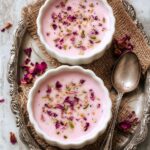
Vegan Rose Basundi Recipe
- Prep Time: 5 minutes
- Cook Time: 30 minutes
- Total Time: 35 minutes
- Yield: 6 servings
- Category: Dessert
- Method: Stovetop
- Cuisine: Indian
- Diet: Vegan
Description
This Delicious Rose Basundi Recipe offers a rich and creamy vegan dessert infused with aromatic rose flavors and a delightful mix of roasted nuts. Using coconut milk and vegan creamer for a luscious texture, this traditional Indian sweet is perfect for festive occasions or an elegant treat.
Ingredients
Nuts
- 1 teaspoon vegan ghee
- 2 tablespoons cashews, chopped
- 2 tablespoons almonds, chopped
- 2 tablespoons slivered pistachios, chopped
Liquid Base
- 13.5 fl. oz canned coconut milk (full-fat)
- 2 cups vegan creamer
Flavors and Sweeteners
- 1 teaspoon saffron
- ½ cup sugar
- 2 tablespoons rose syrup
- ½ tablespoon rose water
- ¼ teaspoon cardamom powder
- ⅛ teaspoon ground nutmeg
Garnish
- 1 tablespoon edible rose petals
- Reserved roasted nuts (from above)
Instructions
- Chop and Roast Nuts: Chop cashews, pistachios, and almonds finely using a nut chopper. Heat the vegan ghee in a small pan over medium heat and lightly fry the chopped nuts for about 30 seconds until aromatic. Transfer them to a plate to cool.
- Prepare the Basundi Base: In the same pan, pour the canned coconut milk and vegan creamer. Whisk thoroughly to break any lumps and bring the mixture to a boil over medium heat, then reduce the flame to low-medium. This process should take about 15 minutes.
- Sweeten and Thicken: Stir the mixture regularly, scraping the sides to prevent scorching. Add the sugar and continue cooking for another 5 minutes. The mixture will thicken slightly and develop a creamy texture with a richer color.
- Add Nuts and Cook Further: Return the roasted nuts to the pan, reserving some for garnish. Continue to cook the Basundi on low-medium flame for an additional 10 minutes, stirring occasionally to ensure a smooth and thick consistency.
- Finish with Aromatics: Remove the pan from heat. Stir in the rose water, cardamom powder, and ground nutmeg until well combined, infusing the Basundi with fragrant flavors.
- Serve and Garnish: You can serve this vegan Basundi immediately warm or chill it before serving. Garnish with reserved roasted nuts, rose petals, and spoon rose syrup over the top for an elegant presentation and enhanced floral notes.
Notes
- For a smoother texture preferred by children or those who dislike nut chunks, use finely ground nut powder instead of chopped nuts.
- To enhance richness, consider adding raisins, fresh chironji (chiroli), or other dried fruits along with the nuts.
- Cooking time may vary depending on the type of pan and heat level; adjust accordingly to achieve a creamy and thick consistency without scorching.
Nutrition
- Serving Size: 1 cup (approx. 150g)
- Calories: 280 kcal
- Sugar: 20 g
- Sodium: 30 mg
- Fat: 20 g
- Saturated Fat: 15 g
- Unsaturated Fat: 4 g
- Trans Fat: 0 g
- Carbohydrates: 18 g
- Fiber: 2 g
- Protein: 4 g
- Cholesterol: 0 mg