
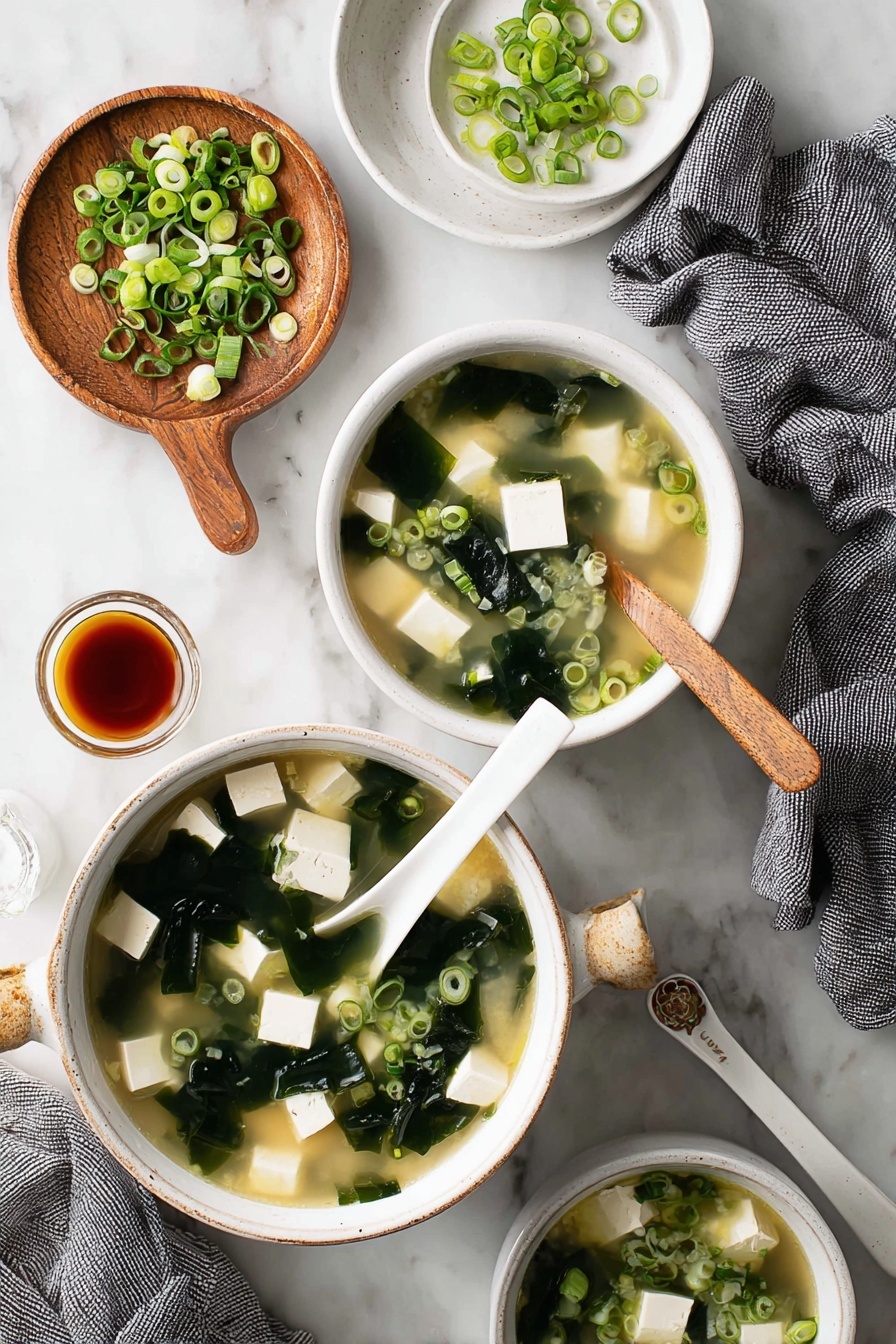
If you’re looking for a comforting, nourishing soup that comes together quickly and tastes like a warm hug, you’re going to LOVE this Miso Soup with Tofu and Seaweed Recipe. It’s one of those dishes that feels fancy but is incredibly simple to make — perfect whether you’re a kitchen newbie or just need a quick weeknight fix. Trust me, once you nail this, you’ll be surprising yourself with how elegant and satisfying a bowl of miso soup can be!
Why You’ll Love This Recipe
- Authentic flavors made easy: You don’t need to be a pro to create a deeply savory miso broth with traditional seaweed and tofu that tastes like it took hours.
- Super quick to prepare: Only about 20 minutes start to finish — perfect for a healing lunch or light dinner any day of the week.
- Customizable and healthy: You can easily adjust tofu, miso paste, and seaweed types to suit your taste and dietary needs.
- Comfort in every sip: This miso soup is my family’s go-to when anyone needs a little pick-me-up — and I promise you’ll feel the same way once you try it.

Ingredients You’ll Need
These ingredients work in harmony to build a deep umami broth that’s light yet filling, with the silky tofu and tender seaweed providing wonderful texture contrasts. When you shop, look for quality kombu and wakame seaweed for best flavor — these will really elevate your soup.
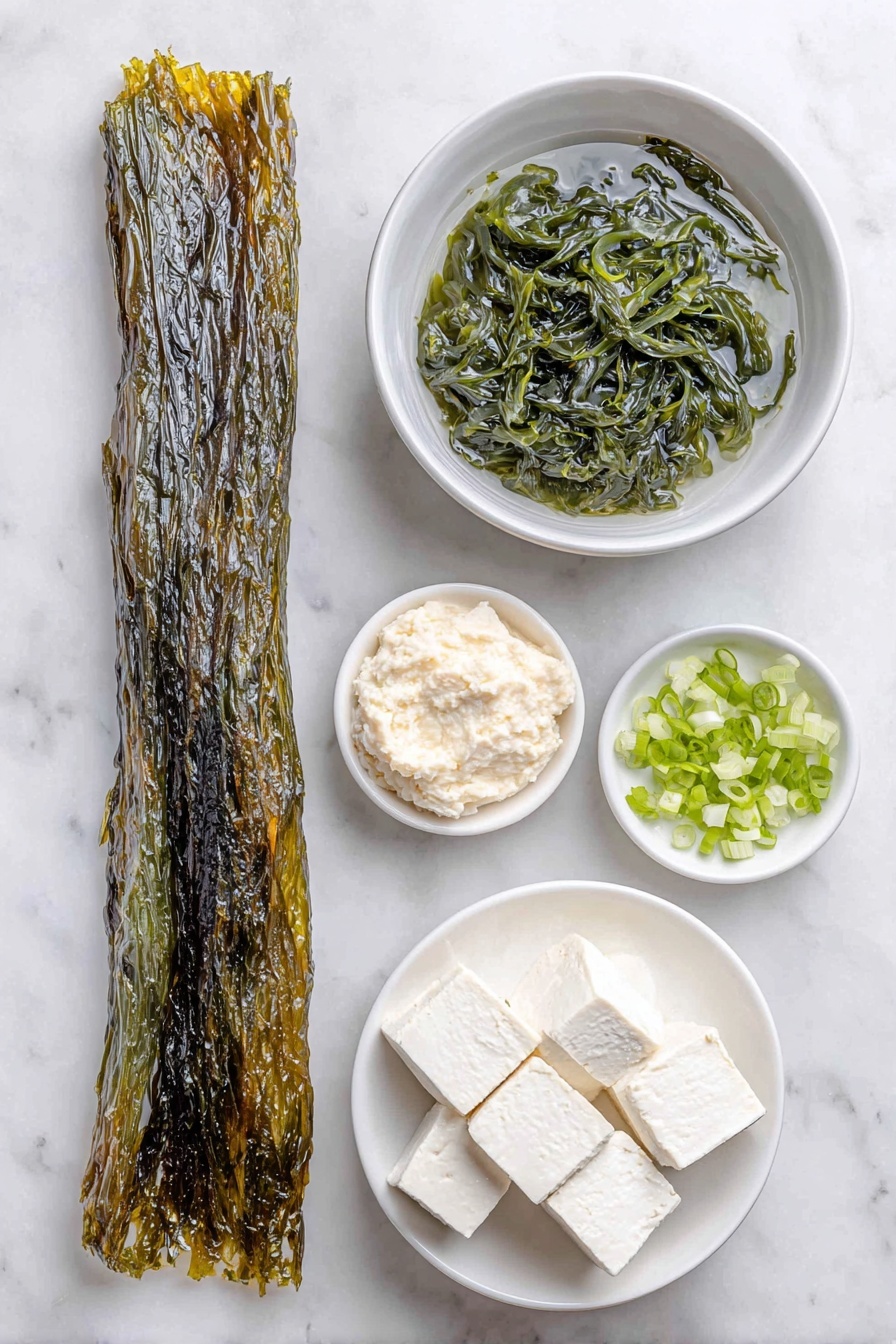
- Kombu: This type of kelp is the backbone of the broth, delivering rich umami — just be sure to gently simmer it, not boil.
- Water: Use filtered or fresh water for the cleanest tasting broth.
- Wakame dried seaweed: This rehydrates quickly and adds a lovely briny freshness to the soup.
- White miso paste: The star flavoring agent; choose a good-quality white miso for a mild, sweet tang.
- Green onion: Adds a pop of color and bite that brightens the soup.
- Silken tofu: Soft and silky, it soaks in the broth’s flavor — bonus points for being gentle and easy to digest.
- Tamari: A gluten-free soy sauce alternative for seasoning, adjustable to taste.
Variations
I love that this Miso Soup with Tofu and Seaweed Recipe is so flexible. I often switch things up depending on what’s in my fridge or what I’m craving. Feel free to make it your own, and you’ll find it’s hard to go wrong!
- Vegetable boost: Sometimes I add thinly sliced mushrooms or a touch of grated ginger for extra depth.
- Different seaweeds: Mixing wakame with a bit of dried nori or arame adds fun texture contrasts.
- Protein swap: If you’re not a fan of silken tofu, firm tofu or even cooked edamame beans can work beautifully.
- Spicy kick: A few drops of chili oil or a pinch of shichimi togarashi spice blends wakes up the flavor.
How to Make Miso Soup with Tofu and Seaweed Recipe
Step 1: Gently Simmer Kombu to Build the Broth
Start by rinsing your kombu piece lightly under cold water to remove any surface grit. Place it in your pot with 4 cups of water. Now here’s a key trick: bring it to a gentle simmer over low heat — don’t let it boil. When water boils, kombu can become bitter, and we want the broth to be silky and smooth. Simmer for about 10 minutes, then carefully remove the kombu. This slow steeping builds a rich umami base that’s the heart of your miso soup.
Step 2: Soak Wakame Seaweed to Rehydrate
While your kombu broth is simmering, soak the dried wakame in warm water for at least 5 minutes. I like to use a bowl that’s just the right size so the seaweed can plump without overcrowding. Once it’s soft and rehydrated, drain it well — it will expand quite a bit, so don’t be alarmed by how small the dried pieces look before soaking!
Step 3: Incorporate Miso Paste Without Clumps
This is where the magic happens. Ladle about a half-cup of your hot kombu broth into a small bowl and whisk in the white miso paste until it’s completely smooth. This step helps dissolve the miso without lumps and maintains its delicate probiotics, which you don’t want to boil. Stir this mixture gently back into the pot — at this stage, keep the heat very low to avoid scorching or boiling.
Step 4: Add Wakame, Tofu, and Green Onions; Simmer Gently
Now it’s time to add the drained wakame, toss in your cubed silken tofu, and sprinkle in the chopped green onions. Let everything warm together over very low heat for just 1 to 2 minutes. This keeps the tofu tender and the flavors fresh without breaking down the delicate miso. Give it a gentle stir — then taste and season with tamari to your liking.
Pro Tips for Making Miso Soup with Tofu and Seaweed Recipe
- Gentle heat is your friend: Keeping the broth below a boil preserves miso’s delicate flavors and healthy enzymes.
- Don’t skip kombu: I once made miso soup without kombu and the taste was flat — now it’s my secret umami booster.
- Silken tofu is best for texture: It melts deliciously in the broth unlike firmer varieties which can feel a bit heavy.
- Add tamari at the end: This helps you control saltiness perfectly without overpowering the soup.
How to Serve Miso Soup with Tofu and Seaweed Recipe
Garnishes
I usually keep garnishes simple to let the flavors shine through, but sometimes I add a few extras for flair — a sprinkling of toasted sesame seeds or a pinch of finely chopped fresh chives adds a subtle crunch and brightness. I even like a tiny drizzle of chili oil when I’m craving a little heat.
Side Dishes
My go-to sides are steamed jasmine rice or a quick cucumber salad dressed with rice vinegar — crisp and refreshing next to the warm soup. If I’m feeling fancy, I throw together some gyoza or edamame beans on the side for a fuller meal.
Creative Ways to Present
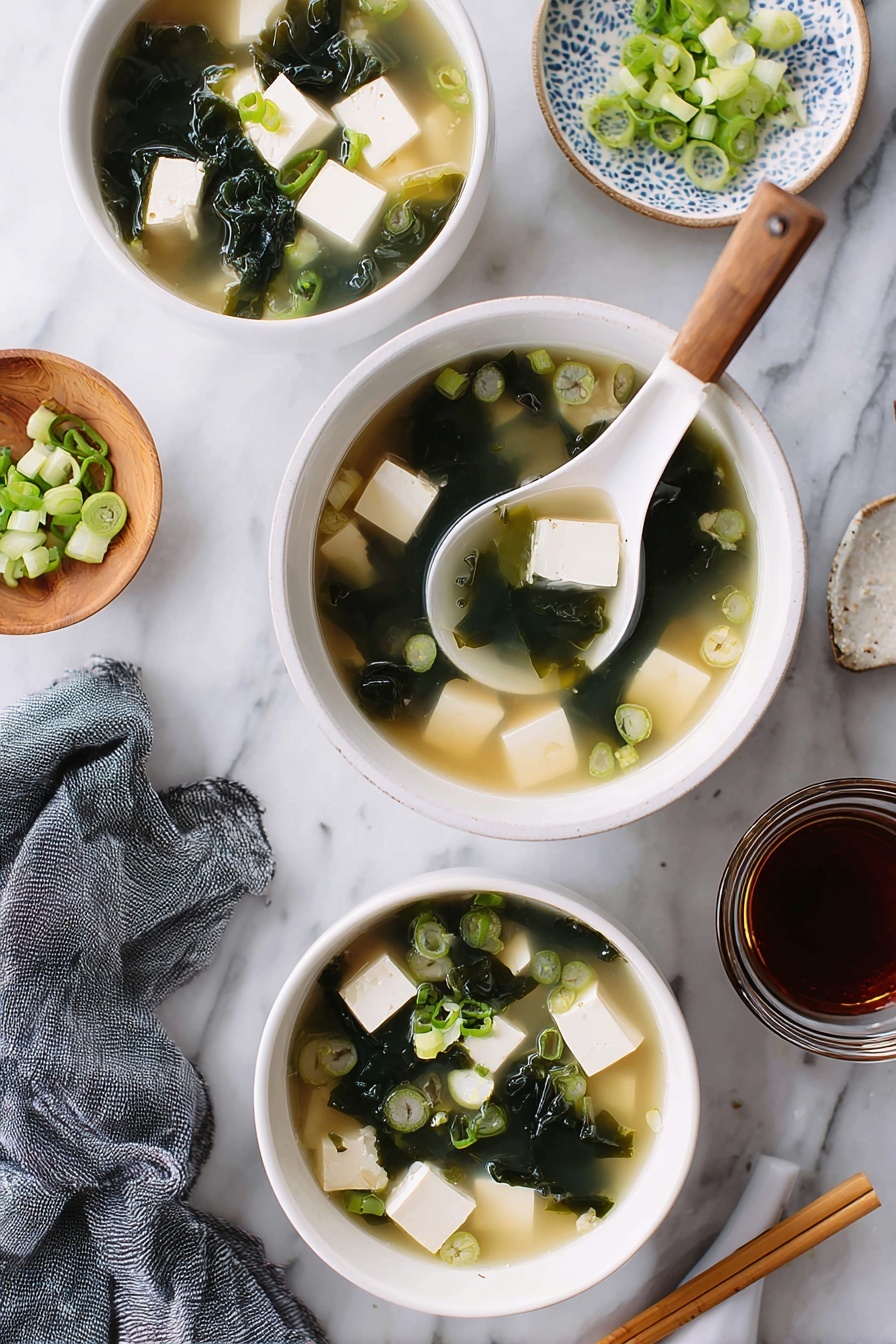
For special occasions, I like to serve this miso soup in pretty ceramic bowls with delicate wooden spoons, garnished with edible flowers or microgreens for a beautiful touch. It’s an easy way to turn a humble soup into a memorable centerpiece.
Make Ahead and Storage
Storing Leftovers
I store any leftover miso soup in an airtight container in the fridge for up to 2 days. Just be mindful that the tofu can soften more over time, and seaweed may get a bit chewier. To keep it fresh, add extra green onions when reheating.
Freezing
Freezing miso soup is a bit tricky because miso paste and tofu textures change when frozen. I’ve tried it, and while it’s safe to freeze, I recommend making fresh whenever possible. If you must freeze, keep the tofu separate or soft-chewiness will increase.
Reheating
When reheating, warm the soup gently on low heat — avoid boiling to keep the delicate flavors intact. I like to stir occasionally and add a splash of water or broth if it seems a bit thick. Freshly chopped green onions on top brighten it right up.
FAQs
-
Can I use other types of miso paste in this Miso Soup with Tofu and Seaweed Recipe?
Absolutely! White miso is milder and sweeter, which I prefer, but you can use yellow or red miso for a stronger, saltier, and more robust flavor. Just adjust the quantity to taste, since these types can be more intense.
-
Is it okay if the soup boils after adding miso paste?
I recommend avoiding boiling your soup once you’ve added the miso paste. Boiling can kill beneficial enzymes in the miso and make the flavor bitter or dull. Keeping the heat low preserves its delicate taste and nutrition.
-
Can I substitute tofu with other proteins?
Yes! If you don’t have silken tofu or prefer another protein, firm tofu, cooked shrimp, or even thinly sliced chicken breast work well. Just add them towards the end and simmer gently to avoid toughness.
-
Do I have to use kelp kombu for the broth?
Kombu kombu is traditional and provides amazing umami depth. If you don’t have kombu, you can use instant dashi powder or vegetable broth, but the flavor won’t be quite as authentic. It’s worth picking up kombu for your pantry if you plan to make miso soup regularly.
Final Thoughts
I absolutely love how this Miso Soup with Tofu and Seaweed Recipe turned out each time I make it. It’s become my quick go-to for when I want something soothing yet flavorful without fuss. I hope you enjoy the calming ritual of making it as much as your first warm spoonful. Give it a try soon — I promise it’ll become one of your kitchen favorites just like it did mine.
Print
Miso Soup with Tofu and Seaweed Recipe
- Prep Time: 8 minutes
- Cook Time: 12 minutes
- Total Time: 20 minutes
- Yield: 4 servings
- Category: Soup
- Method: Stovetop
- Cuisine: Japanese
- Diet: Vegetarian
Description
A delicate and nourishing traditional Japanese miso soup featuring kombu and wakame seaweed, silken tofu, and green onions. This easy-to-make soup delivers umami-rich broth subtly flavored with white miso paste and seasoned with tamari for a comforting and healthy starter.
Ingredients
Broth and Seaweed
- 1 (3-inch) piece kombu
- 4 cups water
- 3 tablespoons wakame dried seaweed
Soup Additions
- ¼ cup white miso paste
- ⅓ cup chopped green onion
- 6 ounces silken tofu, cubed
- Tamari, to taste
Instructions
- Prepare Kombu Broth: Gently rinse the kombu piece to clean it. Place kombu in a medium pot with 4 cups of water and gently simmer for 10 minutes, taking care not to let it boil to avoid bitterness in the broth.
- Rehydrate Wakame: Soak the dried wakame seaweed in a small bowl of warm water for at least 5 minutes until rehydrated and softened.
- Mix Miso Paste: Remove the kombu from the broth. In a small bowl, combine the white miso paste with some hot broth and stir until smooth, then stir the miso mixture back into the pot with the broth.
- Add Soup Ingredients: Drain the soaked wakame and add it to the soup along with the chopped green onions and cubed silken tofu. Simmer gently over very low heat for 1 to 2 minutes to warm through without boiling.
- Season and Serve: Taste the soup and season with tamari as desired. Serve the miso soup hot as a light appetizer or accompaniment.
Notes
- Do not boil the kombu broth, as boiling can impart bitterness.
- Silken tofu is delicate; add it at the end to prevent crumbling.
- Adjust tamari seasoning gradually to avoid over-salting.
- For vegetarian or vegan diets, ensure tamari is gluten-free and vegan-certified.
- This soup is best served fresh but can be gently reheated without boiling.
Nutrition
- Serving Size: 1 cup
- Calories: 60
- Sugar: 1 g
- Sodium: 650 mg
- Fat: 2 g
- Saturated Fat: 0.3 g
- Unsaturated Fat: 1.5 g
- Trans Fat: 0 g
- Carbohydrates: 6 g
- Fiber: 1 g
- Protein: 4 g
- Cholesterol: 0 mg