

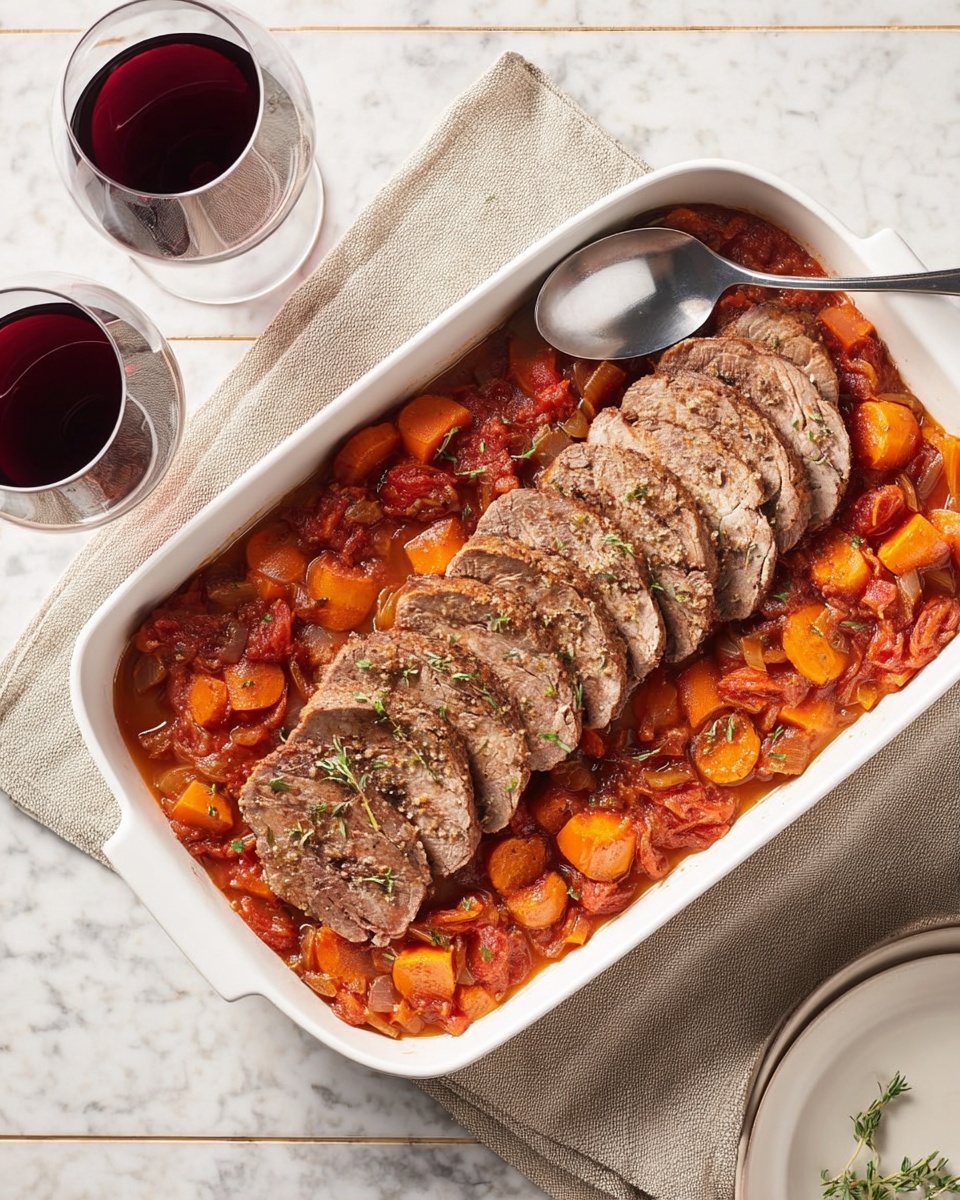
If you’re craving a dish that combines deep, rich flavors with a tender, melt-in-your-mouth texture, you’ve got to try this Jewish Brisket Recipe. It’s one of those recipes that just fills your home with warmth and comfort—perfect for holidays or any time you want to impress your family (or just feed yourself something amazing). Trust me, once you get this brisket in the oven, your patience will be totally rewarded with the tastiest, juiciest meat you’ve ever had.
Why You’ll Love This Recipe
- Classic Comfort Food: Jewish brisket brings those rich, soulful flavors you crave during holidays or cozy nights.
- Simple Ingredients: You don’t need anything fancy to get amazing results — just a handful of pantry staples.
- Hands-Off Cooking: Let the oven do the work while you relax or prep other dishes.
- Versatile Serving: This brisket is perfect sliced thin for sandwiches or plated with your favorite sides.

Ingredients You’ll Need
The beauty of this Jewish brisket recipe is in its straightforward ingredients that work in harmony to create deep, comforting flavors. Once you get your hands on a great cut of brisket, the rest is just building layers of savory goodness.
- Olive oil: A little goes a long way here—helps brown the meat and distribute the garlic and herbs.
- Minced garlic: Fresh garlic adds that punch of flavor that mellows perfectly with slow cooking.
- Dried thyme: This herb is subtle but essential for that classic earthy undertone.
- Freshly ground black pepper: Always grind fresh for the best aroma and bite.
- First-cut beef brisket: Look for a 4 to 5-pound piece with a nice fat cap—it keeps things juicy during the long bake.
- Chopped onions: These caramelize into a sweet base that complements the beef beautifully.
- Carrots: Peeled and thickly sliced carrots bring sweetness and texture to the braise.
- Bay leaves: An aromatics classic—don’t skip these!
- Tomato paste (optional): Adds richness and depth; I love using it but the recipe works fine without it.
- Beef or chicken broth: Low sodium lets you control the saltiness and creates a flavorful cooking liquid.
- Crushed tomatoes: They add acidity and body for that signature brisket sauce.
- Red wine: Any kind works fine—adds complexity, but you can swap it with broth or extra tomatoes if you prefer.
- Italian flat-leaf parsley (optional): Fresh garnish that brightens the final dish.
- Kosher salt: Essential to bring all the flavors together.
Variations
I love that this Jewish brisket recipe is so adaptable—you can tweak it based on what you have on hand or your dietary preferences. Play around and find what works best for you!
- Smoky Twist: I sometimes add a teaspoon of smoked paprika for a subtle smoky flavor that my family goes nuts for.
- Vegetarian Version: Swap out the brisket for hearty portobello mushrooms with the same braising veggies and sauce for a veggie-packed take.
- Richer Sauce: Stir in a tablespoon of Dijon mustard near the end for a tangy kick that elevates the braise.
- Wine-Free: No wine? No problem—just use extra broth or crushed tomatoes; I’ve done this plenty of times with great results.
How to Make Jewish Brisket Recipe
Step 1: Prep and Season Your Brisket
Preheat your oven to 325°F. In a small bowl, stir together olive oil, minced garlic, dried thyme, kosher salt, and freshly ground pepper. This simple rub coats the brisket and builds flavor right from the start. Massage it all over the meat, making sure every inch is well covered to infuse it with those aromatic notes.
Step 2: Assemble the Braise
Place the brisket fat side up in a large casserole dish or Dutch oven with a tight-fitting lid. Toss in chopped onions, thickly sliced carrots, and bay leaves around the meat. If you choose to use the tomato paste, mix it into the broth until smooth—this adds a lovely richness to your sauce.
Pour the broth blended with tomato paste over the brisket and veggies, followed by crushed tomatoes and red wine. You want the liquid to cover the brisket and most of the vegetables—that way, everything cooks evenly and stays moist.
Step 3: Slow Cook to Tender Perfection
Cover the casserole tightly and bake in your preheated oven for about 3 to 3 ½ hours. This slow, low-temperature cooking breaks down the tough brisket fibers, transforming it into tender, easily sliced meat. You’ll know it’s ready when it’s fork-tender and juicy—resist the urge to rush this part!
Step 4: Rest and Serve or Refrigerate for Later
If you’re serving immediately, carefully transfer the brisket to a platter and tent it lightly with foil to rest. Meanwhile, simmer the cooking liquid and vegetables on the stove for about 10 minutes to reduce and concentrate flavors—skimming off excess fat as it rises.
Slice the brisket against the grain into your preferred thickness, return the slices to the sauce, and discard the bay leaves. This step keeps everything warm and juicy right before serving.
If you’re serving the next day, cool the casserole completely before refrigerating. This actually improves the flavor overnight. When ready to serve, skim off any hardened fat, remove excess fat from the meat if you like, then slice and gently reheat in the sauce—either stovetop over medium-low or in a 325°F oven for 30 minutes. This reheating method really lets the sauce thicken beautifully.
Pro Tips for Making Jewish Brisket Recipe
- Patience is Key: Low and slow is the secret—don’t try to speed up cooking, or your brisket might be tough.
- Slice Against the Grain: This makes all the difference—cuts make the meat easier to chew and more tender.
- Skim the Fat: Especially if making ahead, removing hardened fat after chilling cleans up the sauce beautifully.
- Use a Dutch Oven If Possible: It keeps moisture circulated evenly, which helps the brisket cook perfectly tender every time.
How to Serve Jewish Brisket Recipe
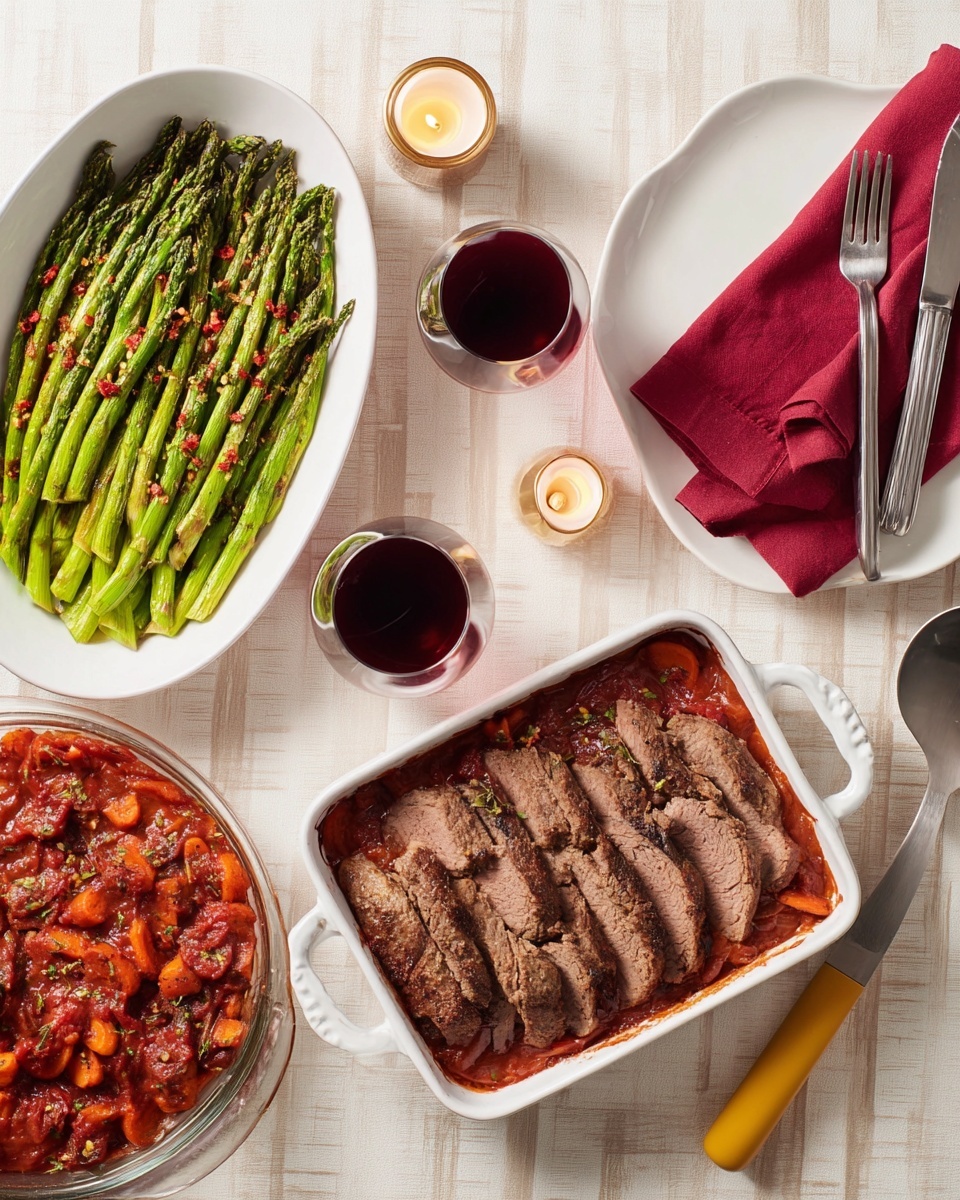
Garnishes
I usually sprinkle finely chopped fresh Italian flat-leaf parsley on top right before serving — it adds a pop of color and freshness that brightens the rich sauce and tender meat.
Side Dishes
My family goes crazy for classic sides like buttery mashed potatoes, roasted root vegetables, or simple egg noodles tossed with a bit of butter. You’ll find that the sauce from the brisket makes a perfect gravy to drizzle over everything.
Creative Ways to Present
For special occasions like Passover or Rosh Hashanah, I love arranging the sliced brisket on a large platter lined with the braised carrots and onions, then drizzling some of the reduced sauce over the top. Adding colorful steamed green beans or a sprinkle of pomegranate seeds can make it extra festive.
Make Ahead and Storage
Storing Leftovers
After your meal, store leftover brisket and veggies in an airtight container with some of the cooking liquid. This keeps everything moist and flavorful. I find it tastes even better the next day as the flavors deepen while resting in the fridge for up to 3-4 days.
Freezing
This recipe freezes beautifully! I like to portion the brisket slices with some sauce into freezer-safe containers or heavy-duty freezer bags. Just thaw slowly in the refrigerator before reheating, which usually takes overnight.
Reheating
Reheat gently on the stovetop over low heat or in a low oven (around 325°F) with the lid on to keep moisture locked in. Stir occasionally, and add a splash of broth if the sauce thickens too much.
FAQs
-
Can I make this Jewish brisket recipe without red wine?
Absolutely! If you don’t have red wine or prefer not to use it, substitute an equal amount of beef or chicken broth, or even more crushed tomatoes. The dish will still be rich and flavorful without the wine’s added depth.
-
How do I make sure the brisket stays tender?
The key is slow, low-temperature cooking—usually around 325°F for several hours. Also, cooking the brisket fat side up allows the fat to baste the meat during baking, keeping it moist and tender. Resist the urge to cut into it early; patience is rewarded!
-
Should I remove the fat cap from the brisket before cooking?
It’s best to leave the fat cap on during cooking because it melts and keeps the meat juicy. After cooking and chilling, feel free to trim excess fat before reheating or serving if you prefer less richness.
-
Can I prepare this Jewish brisket recipe in a slow cooker?
You can! Just brown the brisket and prepare the aromatics as usual, then layer everything in the slow cooker. Cook on low for about 8 hours or until the meat is tender. The flavor will be just as delicious!
Final Thoughts
This Jewish brisket recipe has become my go-to when I want to serve something that feels like a big warm hug on a plate. It’s reliably tender and packed with flavor without requiring fancy techniques or hard-to-find ingredients. Whether you’re celebrating a holiday or just craving comfort food, I’m confident you’ll love making and sharing this dish as much as I do. Give it a try—you won’t regret it!
Print
Jewish Brisket Recipe
- Prep Time: 30 min
- Cook Time: 3 hours
- Total Time: 3 hours 30 min
- Yield: 10 servings
- Category: Main Course
- Method: Baking
- Cuisine: Jewish
Description
This classic Jewish Brisket recipe is a tender, slow-baked beef brisket cooked in a rich tomato and red wine sauce with garlic, onions, carrots, and fragrant herbs. Perfect for holidays like Passover and Rosh Hashanah or any comforting winter meal, this dish is full of flavor and slow-cooked to melt-in-your-mouth perfection.
Ingredients
Main Ingredients
- 1 teaspoon olive oil
- 2 teaspoons minced garlic
- 1 teaspoon dried thyme
- ¼ teaspoon freshly ground black pepper
- 1 first-cut beef brisket (4 to 5 pounds)
- 2 cups chopped onions
- 4 large carrots (peeled and thickly sliced)
- 3 bay leaves
- 3 tablespoons tomato paste (optional)
- 1 cup low-sodium beef or chicken broth
- 1 (28-ounce) can crushed tomatoes (in juice or puréed)
- 1 cup red wine (any kind is fine; or an additional cup crushed tomatoes or broth)
- 2 tablespoons finely chopped Italian flat-leaf parsley (optional; for garnish)
- 1 teaspoon kosher salt
Instructions
- Prepare the oven and seasoning: Preheat the oven to 325 F. In a small bowl, combine olive oil, minced garlic, dried thyme, kosher salt, and freshly ground black pepper. Stir well to create a seasoning mix.
- Season the brisket: Rub the seasoning mixture all over the beef brisket evenly, ensuring full coverage for flavor infusion throughout the meat.
- Assemble in casserole: Place the brisket fat side up in a large casserole dish or Dutch oven with a tight-fitting lid. Add the chopped onions, thickly sliced carrots, and bay leaves around the brisket.
- Add liquids and tomato paste: If using tomato paste, blend it into the beef or chicken broth and pour the mixture over the meat and vegetables. Next, add the crushed tomatoes and red wine on top. The liquid should cover most of the meat and vegetables to keep them moist during cooking.
- Bake the brisket: Cover the casserole tightly and bake in the preheated oven for about 3 to 3 ½ hours, until the brisket is very tender and easily pierced with a fork.
- Prepare for serving later: If serving the next day, allow the casserole to cool. Refrigerate it whole. About an hour before serving, skim off any accumulated hardened fat. Remove the meat and trim off any excess fat on top. Slice the brisket across the grain to your preferred thickness.
- Reheat the brisket: Return the sliced meat to the cooking liquid. Warm it on the stovetop over medium-low heat or in the oven preheated to 325 F until heated through and the liquid has reduced and slightly thickened—about 30 minutes in the oven, less on the stove. Adjust seasoning as needed.
- Serve immediately option: If serving right away, remove the meat from the casserole and let it rest loosely covered with foil. Let the cooking liquid and vegetables sit for 15 minutes, then skim off any fat. Place the casserole on medium-high heat and simmer, stirring occasionally, to reduce the liquid by about 10 minutes. Adjust seasoning as needed.
- Finish and serve: Slice the rested meat across the grain. Return it to the pot, remove and discard bay leaves, and sprinkle chopped parsley on top if desired. Serve the brisket warm in the casserole or on a large shallow dish.
Notes
- Cooked low and slow in the oven, this is Jewish comfort food at its best.
- Perfect for Passover, Rosh Hashanah, Seder, and any chilly winter night.
- The tomato paste is optional but adds richness; you may omit or substitute with extra crushed tomatoes or broth.
- Slicing brisket across the grain ensures tenderness.
- Refrigerating and reheating improves the flavor and makes slicing easier.
Nutrition
- Serving Size: 1 serving
- Calories: 363 kcal
- Sugar: 6.8 g
- Sodium: 545 mg
- Fat: 14.3 g
- Saturated Fat: 4.9 g
- Unsaturated Fat: 8.6 g
- Trans Fat: 0.1 g
- Carbohydrates: 13.3 g
- Fiber: 3 g
- Protein: 40.3 g
- Cholesterol: 112 mg