
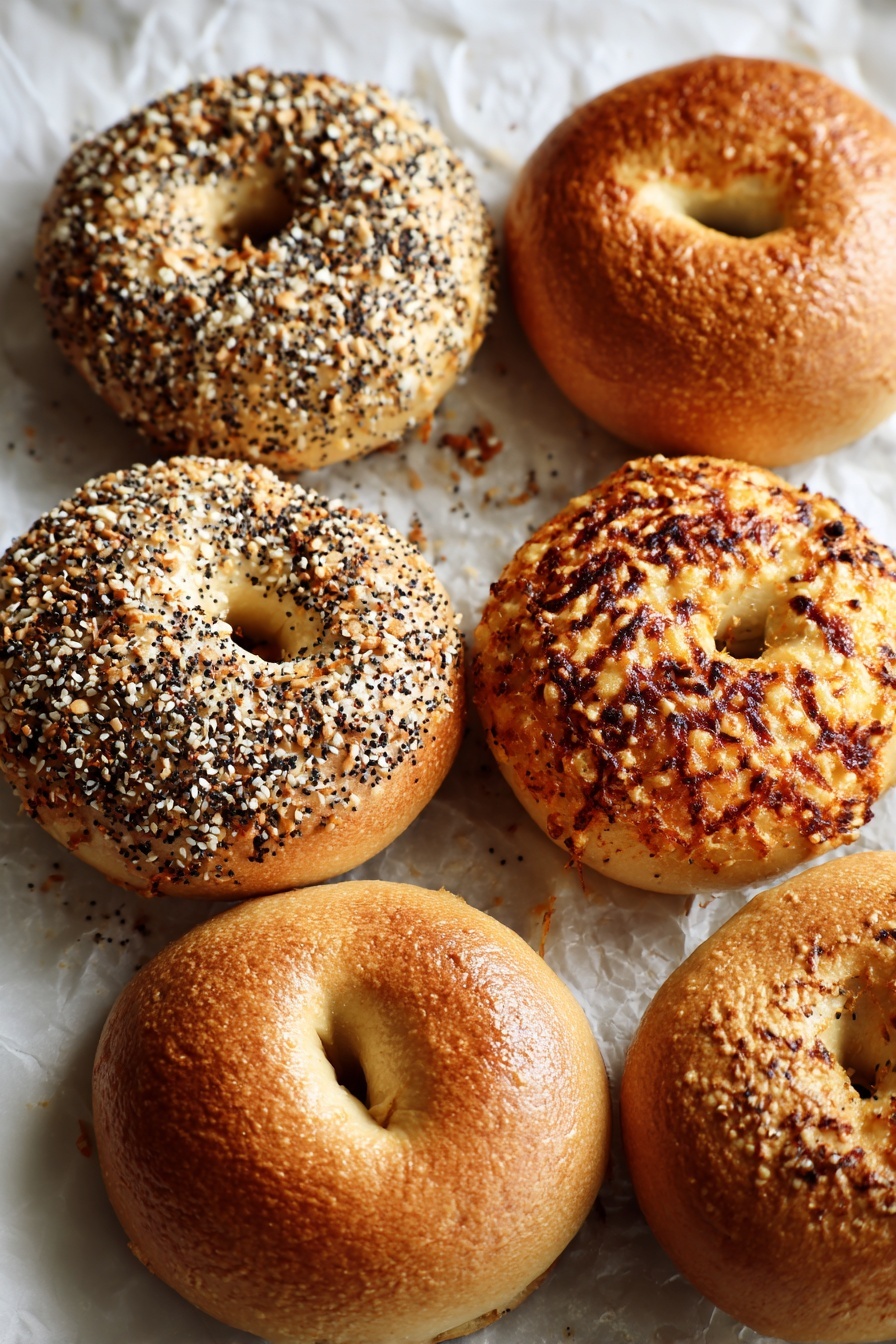
If you’ve ever dreamed of biting into a perfectly chewy, slightly tangy bagel that’s wonderfully fresh and homemade, then this Homemade Sourdough Bagels Recipe is exactly what you need to try next. I absolutely love how this recipe balances that classic bagel chewiness with the subtle sourdough flavor, and trust me—you’ll find it rewarding from mixing to your very first warm bite. Stick with me here, and I’ll walk you through each step to make the best bagels you’ve ever made at home.
Why You’ll Love This Recipe
- Perfect Chewy Texture: The hand-kneading method creates that ideal balance of soft yet delightfully chewy bagels that store-bought just can’t match.
- Sourdough Flavor Boost: The tang from the active sourdough starter adds depth and complexity that elevates your bagel experience.
- Easy to Customize: Whether you want classic sesame, everything seasoning, or cheesy bagels, this recipe sets you up to add toppings with ease.
- Make Ahead Flexibility: You can prep and shape your bagels a day ahead and bake them fresh when you’re ready—hello, convenient mornings!

Ingredients You’ll Need
This Homemade Sourdough Bagels Recipe uses a few simple ingredients that come together to create an impressively complex flavor and an incredible texture. Using a mature sourdough starter gives these bagels that signature tang, while bread flour keeps the chew strong. Here’s a quick rundown of what you’ll want on your countertop before you get started.

- Active Sourdough Starter: The soul of this recipe—make sure yours is bubbly and active for the best rise and flavor development.
- Warm Water: Helps activate the yeast and blends everything smoothly—don’t let it be too hot or it can kill the starter.
- Bread Flour: Provides the high protein content essential for that classic bagel chew and structure.
- Sugar: Adds just the right touch of sweetness and aids fermentation.
- Salt: Balances the flavor and controls the dough fermentation.
- Honey (for the boiling bath): Adds a subtle glaze and sweetness to your bagels’ crust when you boil them before baking.
Variations
One of the things I adore about this Homemade Sourdough Bagels Recipe is how easy it is to adjust to your taste or dietary needs. I’ve played around with a few variations that ended up making this recipe even more fun, and I encourage you to do the same.
- Vegan Modification: Swap the honey in the boiling water for maple syrup or agave—you won’t miss a beat, and it still gives a lovely golden finish.
- Flavored Bagels: Add chopped rosemary, garlic powder, or even some diced jalapeños into the dough before kneading to mix things up.
- Cheesy Bagels: Sprinkle shredded Asiago or cheddar cheese on top before baking—I like to dip the bottom side in cheese too for a crispy, savory crunch.
- Sweet Twists: Try cinnamon sugar and vanilla toppings for a breakfast bagel that tastes a little like dessert.
How to Make Homemade Sourdough Bagels Recipe
Step 1: Mix and Knead Your Dough
Start by combining your active sourdough starter, warm water, and sugar in a straight-edged bowl. I use a Danish dough whisk here because it effortlessly mixes the liquids and starter into a milky-looking liquid, which tells me things are blending just right. Once that’s uniform, add your bread flour and salt and mix everything together thoroughly.
Now comes my favorite part—the hand-kneading. Trust me, I’ve tried a stand mixer, but the texture just isn’t the same. Knead for about 5-6 minutes by pulling a section of dough up, folding it over, and pushing it down with the heel of your hand. It sounds simple, but this motion builds the gluten beautifully, giving you that classic bagel chew. Don’t be surprised if the dough feels stiff and bumpy—that’s normal.
After kneading, cover your bowl with a plastic lid or wrap, and let it rest for an hour. Keep an eye on the dough; I love using a straight-edge bowl because you can clearly see the dough begin to rise.
Step 2: Stretch, Fold, and Bulk Rise
After the hour rests, give the dough a quick 30-second stretch and fold session—same motion as kneading, but quicker. You’ll notice the dough softens up and becomes smoother, which is a great sign that fermentation is working.
Cover the bowl again and put it somewhere warm to bulk rise until doubled in size. At my place (normally around 69°F/20°C), this can take anywhere from 8 to 12 hours, so it’s perfect to start this the night before. Warmer kitchens speed this up, and cooler will slow things down, so adjust timing accordingly.
Step 3: Shape Your Bagels
Once doubled, gently turn your dough onto a clean surface—no flour needed. Shape it into a large rectangle about ½ inch thick. Now, cut this into 8 triangles, like you’re slicing a pizza. I like to weigh these pieces (~115g each) for consistency, but eyeballing works just fine too.
Grab each triangle and pull the corners toward the center, rolling into a smooth ball. Then, carefully poke a hole in the middle with your thumb and stretch it out until the hole is about 2 inches in diameter. The dough might shrink back a bit, and that’s perfectly normal—just keep it roughly that size.
Step 4: Second Rise and Prepare Your Boil Bath
Place your shaped bagels on a parchment-lined sheet and cover tightly with plastic wrap or a damp towel so they don’t dry out. Let them rest in a warm spot for 20 to 60 minutes, until they puff up a bit. If life gets in the way, no worries—you can refrigerate the shaped bagels for up to 24 hours and bake them later. Just keep in mind the second rise will take longer when cold.
While your bagels are resting, heat your oven to 425°F (220°C) and boil about 10 cups of water with 20 grams of honey mixed in. This honey bath gives your bagels that gorgeous color and slight sweetness on the crust when boiled.
Step 5: Boil, Top, and Bake Your Bagels
Time to get a little fancy—carefully drop 2-3 bagels at a time into the boiling honey water. Boil for about 30 seconds on each side—this is what creates that characteristic bagel crust and chew. Use a slotted spoon to drain and place them on a cooling rack.
While still sticky, dip the tops of your bagels into your favorite toppings—everything bagel seasoning, sesame seeds, or maybe some garlic flakes. If you’re going for cheese, do the same for the bottom side for a deliciously crunchy finish.
Transfer the topped bagels to a parchment-lined baking sheet and bake for 20-25 minutes. You’re aiming for a golden crust and an internal temperature around 200-210°F (93-99°C).
Once baked, let them cool on a wire rack. Here’s my favorite: slice a warm bagel in half and slather on butter. That buttery, chewy combo is seriously a little slice of heaven.
Pro Tips for Making Homemade Sourdough Bagels Recipe
- Hand-kneading Over Mixer: I learned that hand-kneading gives the best texture—your arms will get a workout, but it’s worth it for those chewy bagels.
- Watch Your Dough Temperature: Keep your water warm, not hot, so you don’t kill the sourdough starter’s yeasts—about body temperature works great.
- Use a Straight-Edge Bowl: This allows you to see your dough rise clearly—so satisfying when you watch that doubling happen!
- Don’t Skip the Boil Time: This crucial step develops the bagel’s signature crust and chew, so no shortcuts here.
How to Serve Homemade Sourdough Bagels Recipe

Garnishes
When it comes to garnishes, I keep things simple but flavorful. Everything bagel seasoning is a family favorite, as is a scattering of poppy seeds or Asiago cheese for a punch of savory goodness. If I’m feeling adventurous, cinnamon crunch topping adds a sweet twist that’s perfect with cream cheese and jam. Honestly, freshly baked from this recipe, even plain bagels shine beautifully with just butter.
Side Dishes
Bagels are incredibly versatile! I love pairing these homemade sourdough bagels with classic lox, cream cheese, and capers for a brunch spread. Or for a quicker fix, a fried or scrambled egg with avocado spread hits the spot. Soup or a fresh salad works beautifully if you want to serve them for lunch or dinner.
Creative Ways to Present
For special occasions, I’ve turned these bagels into mini “bagel bites” by topping them with marinara sauce, shredded mozzarella, and fresh basil before baking—basically homemade mini pizzas! They’re always a crowd-pleaser. You can also slice and toast bagels for homemade chips, perfect for dipping into your favorite spreads at a party.
Make Ahead and Storage
Storing Leftovers
If you’re lucky enough to have leftovers (which doesn’t happen often at my house), store your bagels in a sealed plastic bag at room temperature for up to 2-3 days. Avoid the fridge as it can dry them out faster.
Freezing
These sourdough bagels freeze beautifully! Slice them beforehand if you want to grab one quickly for breakfast. I place them in a gallon-sized plastic bag and freeze for up to 3 months. Just thaw at room temperature before toasting.
Reheating
I reheat leftovers by popping a thawed bagel slice in the toaster for a few minutes till it’s crisp on the outside and soft inside. If you’re in a hurry, ten seconds in the microwave helps soften it up before toasting.
FAQs
-
Can I use a different type of flour for Homemade Sourdough Bagels Recipe?
You absolutely can experiment with different flours, but bread flour is best because its higher protein content supports the chewy texture bagels need. Using all-purpose flour might result in a softer, less chewy bagel.
-
What if my sourdough starter isn’t very active?
Make sure your starter is bubbly and has recently been fed before starting. An inactive starter can lead to dense bagels. If you’re short on time, giving your starter a few extra feedings over 24-48 hours will help boost activity.
-
How important is the boiling step?
Boiling your bagels before baking is crucial for that signature chewy crust and shiny finish. Skipping it will result in a bread-like texture rather than a bagel texture.
-
Can I add toppings before boiling?
It’s best to add toppings after boiling while the bagels are still wet on the surface, so the toppings stick well. Adding toppings before boiling can cause them to wash off in the water.
-
How long can shaped bagels stay in the fridge before baking?
You can store shaped bagels covered in the fridge for up to 24 hours. Just be aware that the second rise will take longer due to the cold dough, so give it extra time to puff before boiling and baking.
Final Thoughts
I hope you’re as excited as I am for you to try this Homemade Sourdough Bagels Recipe. There’s truly something special about pulling these out of the oven—the smell alone is intoxicating—and getting to share a warm, chewy slice with your people is unbeatable. Making bagels from scratch might seem intimidating, but once you try it, you’ll wish you’d started sooner. Promise me you’ll give it a shot, and don’t forget to add plenty of butter!
Print
Homemade Sourdough Bagels Recipe
- Prep Time: 1 hour
- Cook Time: 20 minutes
- Total Time: 9 hours 20 minutes
- Yield: 8 bagels
- Category: Bread
- Method: Baking
- Cuisine: American
Description
This Sourdough Bagels recipe offers a deliciously chewy and flavorful homemade bagel crafted with an active sourdough starter. The dough is kneaded by hand for optimum texture, allowed to undergo a long fermentation for depth of flavor, then boiled in a honey water bath before baking to perfection. Perfect for toasting, topping with your favorite spreads or making creative sandwiches, these bagels deliver bakery-quality taste and texture right from your kitchen.
Ingredients
Dough Ingredients
- 150 grams active sourdough starter (about 3/4 cup)
- 250 grams warm water (about 1 cup + 1 tablespoon)
- 500 grams bread flour (about 3 1/2 cups)
- 40 grams sugar (about 3 tablespoons)
- 12 grams salt (about 2 teaspoons)
Boil Bath
- 20 grams honey (for the boiling water bath)
Toppings (Optional)
- Everything Bagel Seasoning (white and black sesame seeds, onion and garlic flakes, sea salt)
- Poppy seeds
- Sesame seeds
- Garlic flakes
- Onion flakes
- Cheese (such as Asiago)
- Cinnamon Crunch (brown sugar, white sugar, coarse sparkling sugar, cinnamon, flour, vanilla, butter)
Instructions
- Make the Dough: In a straight-edge bowl, combine active sourdough starter, warm water, and sugar. Mix by hand or with a Danish dough whisk until the mixture looks milky. Next, add bread flour and salt to the wet ingredients, mixing until fully incorporated. Knead the dough by hand for 5 to 6 minutes using a stretch, fold, and push technique to develop structure. The dough will feel stiff and a bit bumpy, which is normal. Cover with plastic and let it rest for 60 minutes.
- Stretch and Fold: After resting, perform the stretch, fold, and push kneading technique again for 30 seconds. The dough will become smoother and less stiff. Cover and place the dough in a warm environment to rise.
- Bulk Rise: Let the dough double in size, typically 8 to 12 hours at around 69°F. The duration will vary depending on kitchen temperature.
- Shape the Bagels: Once doubled, gently remove the dough onto the work surface without flour. Roll the dough into a rectangle about 1/2 inch high, then cut into 8 equal triangle pieces. Shape each triangle by folding corners to the center and rolling into smooth balls. Poke a hole in the center of each ball with your thumb and stretch the hole to about 2 inches in diameter. Place shaped bagels on a parchment-lined baking sheet, cover with plastic to prevent drying.
- Second Rise: Allow bagels to puff up in a warm place for 20 to 60 minutes. If not baking immediately, cover and refrigerate up to 24 hours; allow longer rise times after refrigeration before proceeding.
- Prepare Boil Bath: Preheat the oven to 425°F. In a large pot, combine about 10 cups of water with honey and bring to a rolling boil.
- Boil the Bagels: Carefully lower 2 to 3 bagels at a time into the boiling water. Boil each side for 30 seconds. Remove with a slotted spoon and place on a cooling rack to drain. Repeat until all bagels are boiled.
- Add Toppings: While bagels are still slightly sticky, dip the tops into desired toppings such as seeds or cheese. For cheese toppings, optionally dip the bottom side as well to create a crunchy crust.
- Bake: Transfer the bagels to a parchment-lined baking sheet and bake in the preheated oven for 20 to 25 minutes until golden brown and the internal temperature reaches 200–210°F.
- Cool and Serve: Remove bagels from the oven and transfer to a wire rack to cool. Enjoy warm with butter or your favorite spreads.
Notes
- Simple Baking Schedule: 8pm – Make and knead dough, rest 1 hour. 9pm – Stretch and fold, then bulk rise overnight for 8-12 hours. 7am – Shape bagels and rest for 20-60 minutes. 8am – Boil, top, and bake at 425°F for 20-25 minutes.
- Topping Suggestions: Everything bagel seasoning, poppy seeds, sesame seeds, garlic flakes, onion flakes, Asiago cheese, cinnamon crunch mixture.
- Other Serving Ideas: Bagel chips made by toasting leftover bagels, egg breakfast sandwiches, burger buns, or adult-style bagel bites with marinara and cheese.
- Storage: Store leftover bagels at room temperature in a plastic bag for 2-3 days. Freeze whole or sliced for up to 3 months. Reheat by microwaving for 10 seconds or toasting after thawing.
Nutrition
- Serving Size: 1 bagel
- Calories: 280
- Sugar: 6 g
- Sodium: 420 mg
- Fat: 1.5 g
- Saturated Fat: 0.3 g
- Unsaturated Fat: 1.2 g
- Trans Fat: 0 g
- Carbohydrates: 58 g
- Fiber: 2 g
- Protein: 9 g
- Cholesterol: 0 mg