
If you’ve ever enjoyed those sizzling dishes at your favorite Japanese steakhouse, then you know there’s something magical about perfectly cooked shrimp infused with that rich, buttery sauce. This Hibachi Shrimp Recipe captures that magic right in your own kitchen, delivering juicy, flavor-packed shrimp in just 10 minutes. I absolutely love how this turns out every time, and I know once you try it, you’ll want to make it a regular, too.
Why You’ll Love This Recipe
- Quick & Easy: Ready in just 10 minutes, it’s perfect for busy weeknights or quick weekend dinners.
- Authentic Flavor: The soy and teriyaki sauce combo tastes just like your favorite hibachi house.
- Juicy & Tender Shrimp: With just the right sear and buttery garlic goodness, the shrimp stays perfectly succulent.
- Super Versatile: Great on its own or paired with hibachi rice, noodles, or veggies you love.

Ingredients You’ll Need
The ingredients for this Hibachi Shrimp Recipe come together simply but pack a flavorful punch. I always keep these staples on hand, and making this dish feels straightforward, even on a hectic day. Plus, the sauce ingredients balance salty, sweet, and that little hint of garlic that makes everything special.
- Shrimp: Fresh or frozen peeled and deveined shrimp work great—feel free to use medium or large size based on your preference.
- Butter: Adds richness and helps garlic and sauce coat the shrimp beautifully.
- Garlic: Fresh minced garlic has the best fragrance; I recommend using fresh over powdered here.
- Sesame Oil (optional): A tiny drizzle at the end adds that classic nutty hibachi flavor that’s just heavenly.
- Soy Sauce: Use a good-quality soy sauce for depth and saltiness—low sodium is an option if you watch salt.
- Teriyaki Sauce or Mirin: I personally prefer teriyaki sauce for sweetness, but mirin works wonderfully for a lighter option.
- Pepper: Fresh cracked black pepper adds just enough mild heat without overpowering.
Variations
One of the things I love about this Hibachi Shrimp Recipe is how easy it is to tweak it to suit your tastes or dietary needs. You can add a little flair or keep it classic—it all works! Don’t hesitate to play around a bit; cooking should always be fun.
- Spicy Kick: I once added a teaspoon of chili garlic sauce to the mix for a subtle heat that got everyone’s attention at dinner—definitely worth trying if you like spice.
- Garlic Butter Explosion: Double up on the butter and garlic for a richer, more indulgent version that’s great for special occasions.
- Veggie Boost: Toss in snap peas, mushrooms, or julienned carrots to turn this into a heartier meal—perfect for when you want to sneak extra greens onto the plate.
- Gluten-Free: Swap regular soy sauce with tamari to make this dish gluten-free without sacrificing any flavor.
How to Make Hibachi Shrimp Recipe
Step 1: Whisk Your Sauce Together
Start by combining the soy sauce, teriyaki sauce (or mirin), and pepper in a small bowl. This sauce is the heart of your Hibachi Shrimp Recipe and keeps everything flavorful. I like to prep this first so it’s ready to go once the shrimp hits the pan.
Step 2: Sauté Garlic in Butter
Heat a skillet or hibachi grill pan over medium-high heat and melt your butter. Add the minced garlic and sauté for only about 30 seconds—just until fragrant. This step is key because garlic can burn quickly and turn bitter; keep an eye on it and stir often!
Step 3: Cook Shrimp and Add Sauce
Toss the shrimp into the pan with the garlic butter and stir quickly to coat. Then pour in your prepared sauce and continue tossing. You’ll want to cook, stirring frequently, for about 5 minutes or until the shrimp turns pink and opaque. Keep the heat high enough to get that slight sizzle but avoid overcooking—the biggest mistake I see is mushy shrimp.
Step 4: Finish with Sesame Oil (Optional)
Once cooked, if you’re using sesame oil, drizzle just a little over the shrimp and give it one final toss. It adds that authentic nutty aroma that takes this Hibachi Shrimp Recipe up a notch. Serve hot immediately—this dish waits for no one!
Pro Tips for Making Hibachi Shrimp Recipe
- Don’t Overcrowd the Pan: Cooking shrimp in batches if necessary helps them sear properly rather than steam.
- Prep Ingredients Ahead: Since this cooks fast, have everything ready before heating your pan to avoid last-minute scrambling.
- Use Medium-High Heat: That perfect balance prevents burning the butter and garlic but still quickly cooks shrimp.
- Serve Immediately: Hibachi shrimp tastes best fresh; waiting too long can dry them out or cause sauce to clump.
How to Serve Hibachi Shrimp Recipe
Garnishes
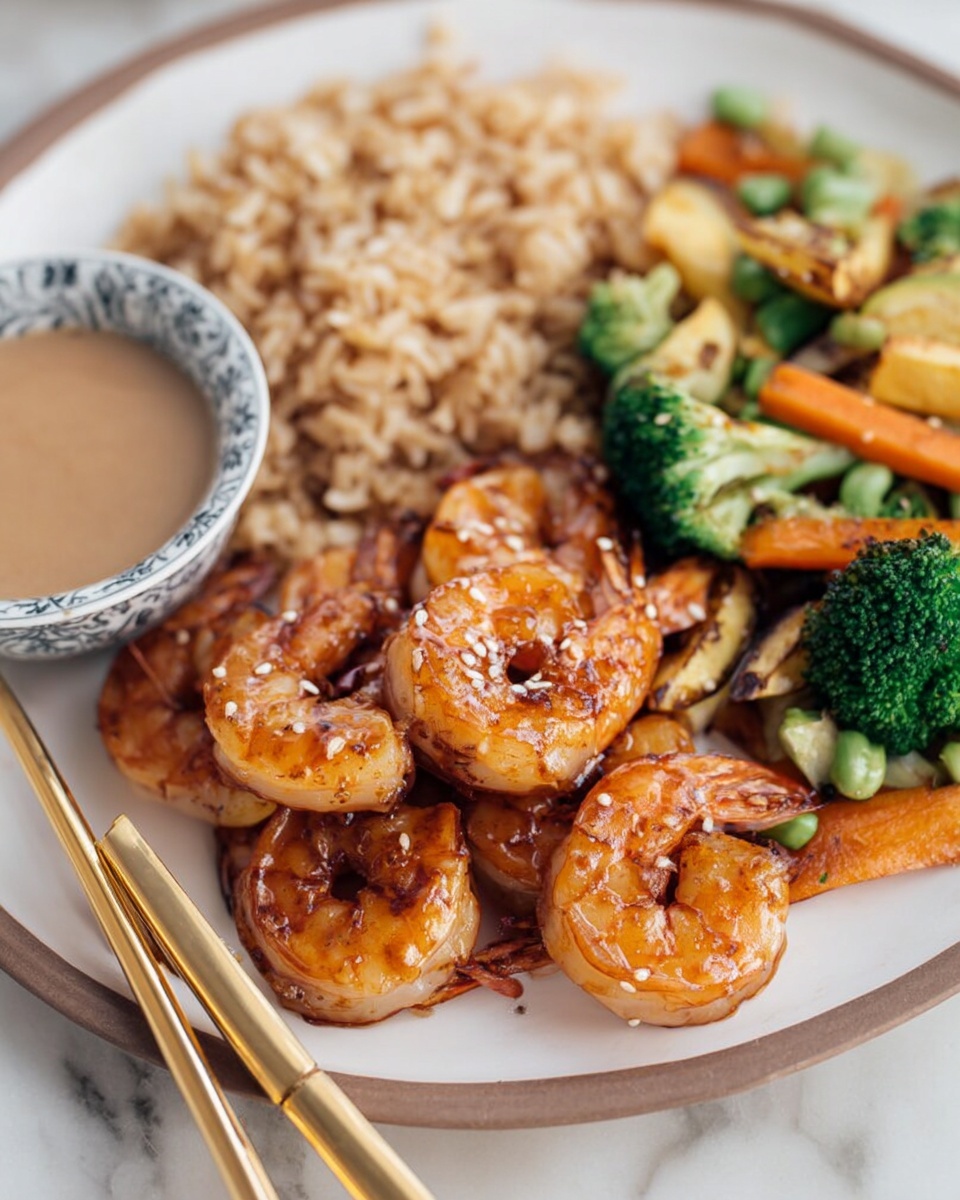
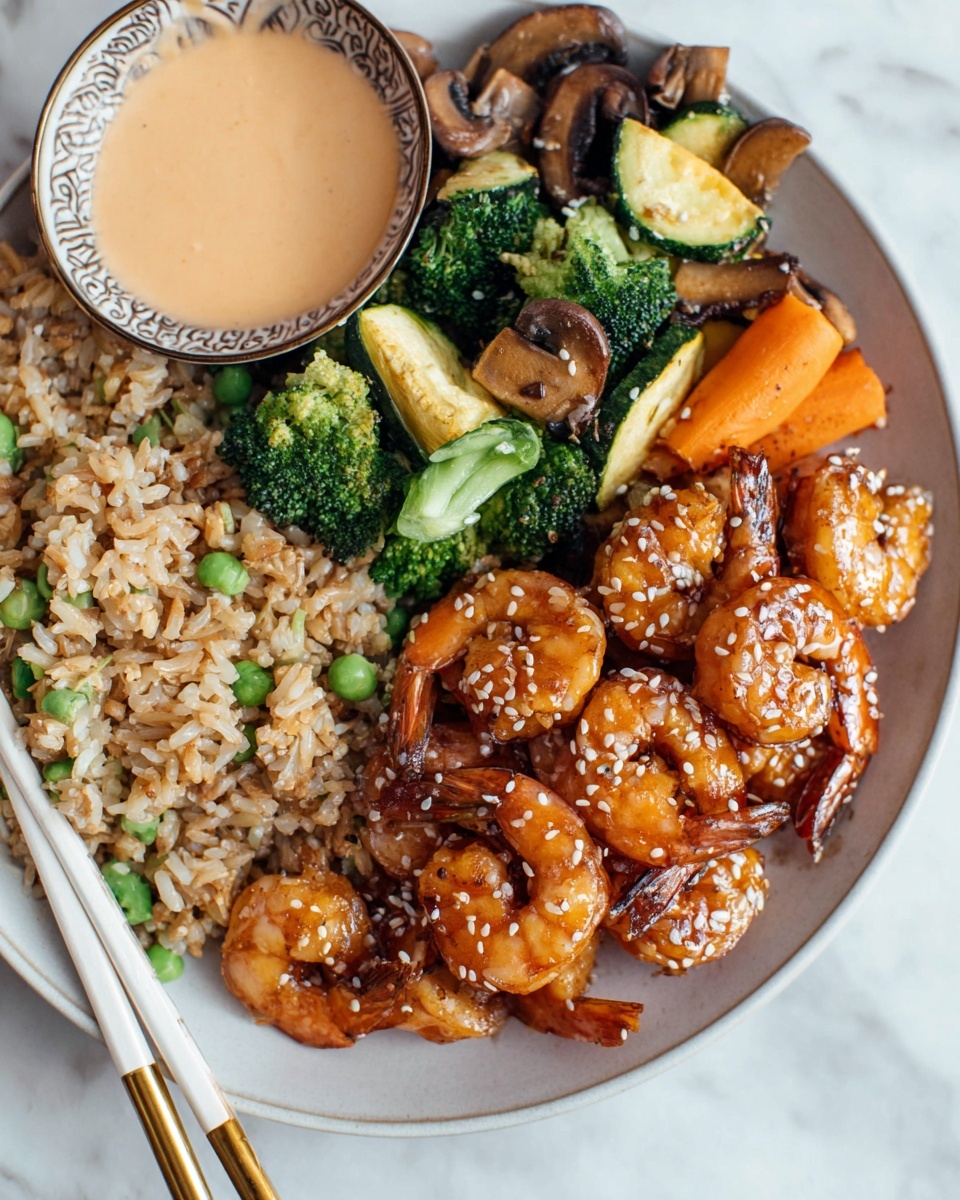
I love sprinkling freshly chopped scallions or a few toasted sesame seeds right on top—they add beautiful color and a subtle crunch. A wedge of lime on the side is another favorite; the citrus brightens every bite and really wakes up the flavors.
Side Dishes
My go-to sides for this Hibachi Shrimp Recipe are hibachi-style fried rice and sautéed vegetables like zucchini and mushrooms. But honestly, steamed jasmine rice or noodles tossed in a little soy sauce also pair perfectly. You can even serve it over a fresh salad for a lighter meal.
Creative Ways to Present
Once, I plated this in a hollowed-out pineapple bowl for a fun tropical twist at a summer get-together—my guests were impressed, and it really made the dish pop. You might also try serving it family-style on a sizzling platter for that hibachi grillhouse vibe right at home.
Make Ahead and Storage
Storing Leftovers
When I have leftovers (which is rare because it goes fast!), I store the shrimp in an airtight container in the fridge for up to 2 days. Make sure it’s cooled before sealing to keep that fresh hibachi flavor intact.
Freezing
Freezing hibachi-style shrimp isn’t my favorite because the texture changes after thawing, but if you want to freeze, lay out the cooked shrimp in a single layer on a parchment-lined tray first, freeze until solid, then transfer to a freezer-safe bag. Use within a month for best results.
Reheating
To reheat leftover Hibachi Shrimp, I prefer a quick stir-fry in a hot skillet with a splash of water or soy sauce to keep it moist. Microwave works in a pinch but can make shrimp rubbery, so go gentle and reheat only once.
FAQs
-
Can I use frozen shrimp for this Hibachi Shrimp Recipe?
Absolutely! Just make sure to thaw the shrimp completely and pat them dry before cooking to avoid excess moisture, which can cause steaming instead of a nice sear.
-
What can I substitute for teriyaki sauce?
If you don’t have teriyaki sauce, mirin is a great alternative to provide that sweet, slightly tangy flavor. You can also mix soy sauce with a little honey or brown sugar as a quick homemade substitute.
-
How do I know when the shrimp is cooked?
Look for shrimp turning opaque with a slight pink hue and having a firm yet tender texture. Overcooked shrimp curl tightly and feel rubbery, so aim to cook just until pink and no longer translucent.
-
Can I make this Hibachi Shrimp Recipe vegan or vegetarian?
While this recipe is shrimp-based, you can swap shrimp for tofu or king oyster mushrooms to maintain a similar texture and soak up the flavorful sauce for a vegetarian or vegan spin.
Final Thoughts
This Hibachi Shrimp Recipe holds a special place in my kitchen because it brings the excitement of hibachi dining home without the fuss. From the buttery garlic aroma to that perfectly balanced sauce, it never fails to impress my family and guests. Trust me, once you try this, you’ll find yourself reaching for shrimp more often. Give it a shot, and let me know how your hibachi shrimp turned out—you’re going to love it as much as I do!
Print
Hibachi Shrimp Recipe
- Prep Time: 5 minutes
- Cook Time: 5 minutes
- Total Time: 10 minutes
- Yield: 2 servings
- Category: Main Course
- Method: Stovetop
- Cuisine: Japanese
Description
This Hibachi Shrimp recipe features succulent shrimp sautéed in a buttery, garlic-infused Asian-inspired sauce. With a quick stir-fry method, the shrimp are cooked perfectly in just 5 minutes, coated in a rich blend of soy, teriyaki, and optional sesame oil for an authentic hibachi flavor. Ideal served hot alongside hibachi rice, noodles, or vegetables for a delicious, restaurant-quality meal at home.
Ingredients
Shrimp and Cooking
- 1 lb. raw shrimp, peeled and deveined
- 1 tablespoon butter
- 1 teaspoon garlic, minced
- 1/4 teaspoon sesame oil (optional)
Sauce
- 1 1/2 tablespoons soy sauce
- 1 1/2 tablespoons teriyaki sauce or mirin
- Pepper to taste
Instructions
- Prepare the Sauce: In a small bowl, combine the soy sauce, teriyaki sauce (or mirin), and pepper to create the flavorful hibachi sauce. Set it aside for later use.
- Sauté Garlic: Heat a skillet over medium-high heat and melt the butter. Add the minced garlic and sauté for about 30 seconds until fragrant, stirring constantly to avoid burning.
- Cook the Shrimp: Add the peeled and deveined shrimp to the skillet. Stir quickly to mix it well with the garlic and butter, ensuring even cooking.
- Add Sauce: Pour the prepared hibachi sauce over the shrimp. Toss everything thoroughly so the shrimp are fully coated in the sauce.
- Stir-Fry Shrimp: Continue stir-frying for approximately 5 minutes or until the shrimp are opaque, cooked through, and the sauce has slightly thickened and reduced.
- Finish and Serve: Optionally drizzle the sesame oil over the cooked shrimp to add a nutty aroma. Serve hot with hibachi-style rice, noodles, or vegetables for a complete meal.
Notes
- The shrimp cooks quickly—about 5 minutes—so keep an eye to avoid overcooking which can make them rubbery.
- For a milder garlic flavor, reduce minced garlic to 1/2 teaspoon or add it according to your preference.
- Use fresh shrimp for the best texture and taste, but frozen shrimp can be used if thoroughly thawed and patted dry before cooking.
- Sesame oil is optional but highly recommended for authentic flavor and aroma.
- This dish pairs perfectly with hibachi rice, noodles, or steamed vegetables to complete the meal.
Nutrition
- Serving Size: 1/2 lb shrimp with sauce
- Calories: 273
- Sugar: 2.6 g
- Sodium: 835.9 mg
- Fat: 7.5 g
- Saturated Fat: 3.9 g
- Unsaturated Fat: 3.6 g
- Trans Fat: 0 g
- Carbohydrates: 4.2 g
- Fiber: 0.1 g
- Protein: 47.4 g
- Cholesterol: 380.2 mg