
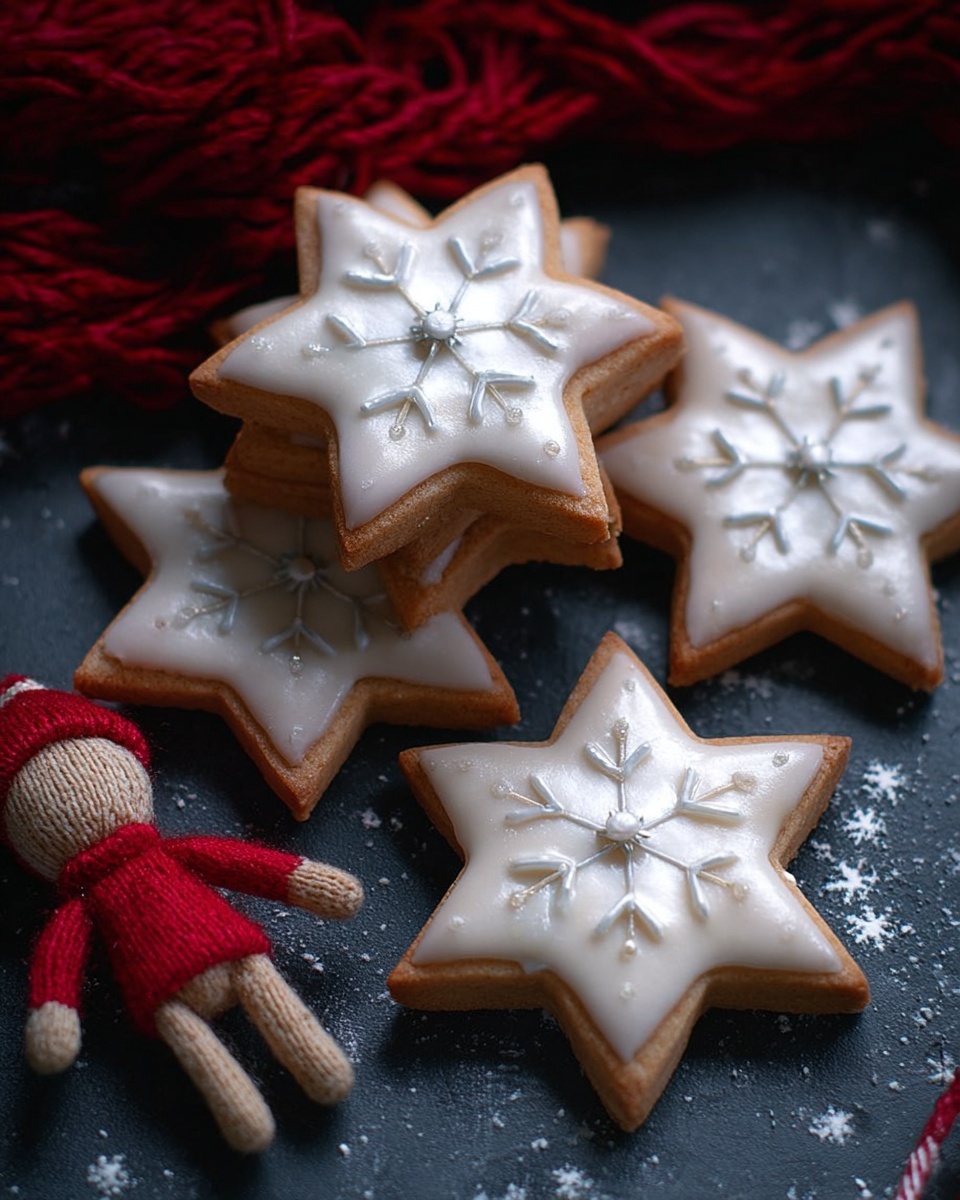
If you’ve ever wanted to master that cozy, spiced treat that fills the air with warmth and nostalgia during the holidays, you’re going to adore this German Gingerbread Cookies Recipe. I absolutely love how these Lebkuchen come out soft with just the right hint of peppery spice—perfect for cutting into fun shapes and decorating. Stick with me, and I’ll share all my tips and tricks so you get that authentic taste every single time!
Why You’ll Love This Recipe
- Authentic Flavor: The mix of ginger, cinnamon, and a pinch of black pepper gives it that classic, slightly spicy kick.
- Gluten-Free Friendly: Made with a gluten-free flour blend and almond meal, it’s perfect for those avoiding gluten without missing out on taste.
- Soft Yet Shapeable: These cookies hold their shape beautifully for decorating but stay tender inside.
- Great for All Occasions: Whether for holiday gifts or a teatime treat, this German Gingerbread Cookies recipe fits right in.

Ingredients You’ll Need
The ingredients here work together to capture the traditional Lebkuchen taste and texture. I always recommend using a quality gluten-free flour blend—my go-to is the Gluten Free Alchemist Blend B, which keeps the cookies tender without rice flour’s grittiness.
- Plain gluten free flour blend: Choose one without rice flour for the best texture; it forms the base and keeps the cookies soft.
- Ground almonds/almond meal: Adds natural moisture and a subtle nutty flavor that makes Lebkuchen shine.
- Ground ginger: The star spice giving these cookies their signature warmth.
- Ground cinnamon: Adds cozy sweetness and depth.
- Fine ground black pepper: Just a pinch enhances the spices with a subtle heat that you’ll love.
- Mixed spice: Brings complexity with clove, nutmeg, and allspice.
- Gluten-free baking powder: Helps the cookies rise lightly without messing with the texture.
- Bicarbonate of soda: Works with the baking powder for gentle leavening.
- Butter or dairy-free butter block: I use butter for richness but a dairy-free alternative works beautifully too.
- Runny honey: Essential for that sticky, sweet chew.
- Molasses (black treacle): Adds deep color and a bittersweet intensity that balances the spice.
- White fondant icing: For decoration that looks charming and tastes just sweet enough.
- Icing (confectioners) sugar: Both in the dough and for the glaze to finish.
- Hot water or lemon juice: Helps dissolve the icing sugar into a smooth glaze; lemon juice adds a slight tang.
Variations
I like to tweak this German Gingerbread Cookies recipe just a bit depending on my mood or dietary needs. Don’t be shy about experimenting—you’ll discover little adjustments that make these your own family favorite.
- Spice it up: For a more intense flavor, increase the mixed spice to ½ tsp and add a touch of ground cloves; my family goes crazy for this version during the holidays.
- Dairy-free option: Using a dairy-free butter block makes these safe for lactose intolerant guests without losing that buttery mouthfeel.
- Firmer cookies: If you prefer a crunchier texture, let the baked cookies air dry in a low oven for 15-20 minutes after baking; this gave me the perfect snap one year for gift boxes.
- Glazing alternatives: Swap the fondant icing for a simple powdered sugar and lemon glaze for a lighter finish.
How to Make German Gingerbread Cookies Recipe
Step 1: Combine the Dry Ingredients Thoughtfully
Start by mixing your gluten-free flour blend, ground almonds, ground ginger, cinnamon, black pepper, mixed spice, gluten-free baking powder, and bicarbonate of soda in a large bowl. I always give these spices an extra good stir to ensure everything’s evenly distributed—that way, every bite is perfectly spiced.
Step 2: Melt Butter and Sweeteners Gently
In a small saucepan over low heat, melt your butter with the runny honey and molasses. This step creates the luscious, sticky base of the dough, so don’t rush it. Stir until everything is fully combined and warm to the touch, then let it cool just a bit before adding to your dry mix—too hot and you’ll cook the eggs or mess up the texture.
Step 3: Bring the Dough Together
Pour the warm butter, honey, and molasses mixture into your dry ingredients, folding gently with a wooden spoon or spatula. This dough will feel slightly sticky and soft, which is exactly what you want. If it’s too wet, a small dusting of extra flour can help, but don’t overdo it or the cookies can become dry.
Step 4: Shape and Chill for Best Results
Place the dough between two sheets of parchment paper and roll it out to about 5mm thickness. Here’s a trick I learned: chilling the dough for at least an hour really helps with shaping and flavor melding. Once chilled, cut out your favorite shapes—classic hearts or stars work beautifully—and transfer them to a baking tray lined with parchment.
Step 5: Bake and Cool Carefully
Bake your cookies in a preheated oven at 180°C (350°F) for about 12 minutes. They’ll feel soft but slightly set. Don’t overbake unless you want a crunchier cookie, which as I mentioned, you can develop by cooling them a bit longer in the oven. Let them cool completely on a wire rack before decorating.
Step 6: Decorate with Fondant or Icing
While the cookies cool, prepare your icing by mixing the confectioners sugar with hot water or lemon juice until smooth. I usually use a mix of both to balance sweetness and tang. Pour the icing over the cookies or spread thinly with a knife, and for the finishing touch, add white fondant icing cutouts—they brighten the cookies and make them party-ready.
Pro Tips for Making German Gingerbread Cookies Recipe
- Chill the Dough Thoroughly: I found chilling for at least an hour stops stickiness and makes cutting shapes easier.
- Use Fresh Spices: Fresh ground ginger and cinnamon make a noticeable difference in flavor—older spices can taste flat.
- Don’t Overbake: The cookies look soft when done—pull them out as soon as edges firm up to enjoy their tender texture.
- Glazing Tip: Mix your icing sugar well with hot water or lemon juice to avoid lumps and get a shiny, smooth finish every time.
How to Serve German Gingerbread Cookies Recipe

Garnishes
I usually stick with simple white fondant icing shapes and a drizzle of lemon-glazed icing—this combo is festive and classic. Sometimes, I sprinkle a tiny bit of edible gold dust for an extra sparkle at holiday parties, which gets rave reviews every time.
Side Dishes
These German gingerbread cookies pair wonderfully with a hot cup of spiced tea or mulled wine. I also love serving them alongside apple compote or a toddy for a quintessential winter treat experience.
Creative Ways to Present
When I make these for gift-giving, I like to stack the cookies between sheets of wax paper in a decorative tin, tied with a ribbon and a sprig of fresh rosemary or pine. For parties, arranging them on a wooden board with mulling spices scattered around makes a beautiful and rustic centerpiece.
Make Ahead and Storage
Storing Leftovers
Leftover German Gingerbread Cookies store beautifully in an airtight container at room temperature for up to a week. I’ve found layering them with parchment paper prevents sticking and keeps the icing decorations intact.
Freezing
I often freeze unbaked dough rolled and cut into shapes, wrapped tightly in plastic wrap and foil. When I’m ready to bake, I just thaw them overnight in the fridge, then bake as usual. This really saves time during busy holidays.
Reheating
If you want to refresh the cookies after storage or freezing, I gently warm them in a low oven (150°C / 300°F) for about 5 minutes to bring back that soft texture and aroma. Just watch carefully so they don’t dry out or burn!
FAQs
-
Can I make these German gingerbread cookies without honey?
While honey is crucial for the authentic chewy texture and flavor in this German Gingerbread Cookies Recipe, you can substitute it with maple syrup or agave nectar in equal amounts. Keep in mind the taste will be slightly different and the texture a bit less sticky but still delicious.
-
How long do these cookies keep fresh?
Stored properly in an airtight container, these cookies stay fresh for about a week at room temperature. Because they’re slightly soft, they don’t dry out quickly, making them great for enjoying over several days or sharing with guests.
-
Can I roll the dough thinner for crispier cookies?
Yes! Rolling the dough thinner will produce cookies that are crispier. Just keep in mind they bake faster, so reduce your bake time slightly and keep an eye on them. If you want crisp edges but a chewy center, thickness of about 3-4mm works best.
-
Is it necessary to use fondant icing?
Not at all. Fondant icing adds a traditional decorative touch but is optional. You can use a simple glaze, royal icing, or even leave the cookies plain and dusted with powdered sugar for a rustic look.
Final Thoughts
This German Gingerbread Cookies Recipe holds a special place in my kitchen, bringing that delightful Eastern European warmth to my home every holiday season. I used to struggle with gluten-free gingerbreads that were either too hard or bland, but this recipe is the sweet spot—soft, flavorful, and just the right amount of spice. I can’t recommend giving it a try enough; once you make these cookies, they’ll quickly become a family classic you’ll be excited to bake again and again.
Print
German Gingerbread Cookies Recipe
- Prep Time: 45 minutes
- Cook Time: 12 minutes
- Total Time: 177 minutes
- Yield: 15 cookies
- Category: Dessert
- Method: Baking
- Cuisine: German
- Diet: Gluten Free
Description
Traditional German Gingerbread Cookies, known as Lebkuchen, made gluten free with a flavorful blend of spices, almonds, honey, and molasses. These soft, lightly peppery cookies are perfect for cutting into festive shapes and decorating, offering a deliciously spiced treat with a tender texture.
Ingredients
Dry Ingredients
- 140 g plain gluten free flour blend (preferably rice free Gluten Free Alchemist Blend B)
- 40 g ground almonds/almond meal
- 1½ tsp ground ginger
- 1 tsp ground cinnamon
- Good pinch fine ground black pepper
- ¼ tsp mixed spice (increase to ½ tsp for stronger flavour)
- ½ tsp gluten free baking powder
- ¼ tsp bicarbonate of soda
Wet and Fat Ingredients
- 40 g butter or dairy free butter block alternative
- 90 g runny honey
- 25 g molasses (black treacle)
For Icing
- A little white fondant icing
- 1½ tsp icing (confectioners) sugar
- 170 g icing (confectioners) sugar
- 2 tbsp hot water or lemon juice (or a combination of the two)
Instructions
- Prepare Dry Ingredients: In a large mixing bowl, combine the gluten free flour blend, ground almonds, ground ginger, cinnamon, black pepper, mixed spice, gluten free baking powder, and bicarbonate of soda. Stir well to evenly distribute the spices and leavening agents.
- Melt Butter and Combine Sweeteners: Gently melt the butter or dairy free butter alternative in a small saucepan over low heat. Remove from heat and stir in the runny honey and molasses until the mixture is smooth and well combined.
- Mix Dough: Pour the warm honey-butter-molasses mixture into the dry ingredients. Mix thoroughly using a wooden spoon or a hand mixer until a soft, sticky dough forms. Ensure all the dry ingredients are fully incorporated.
- Chill Dough: Cover the dough with plastic wrap or a clean towel and place it in the refrigerator for about 1 to 2 hours. Chilling helps the dough firm up and makes it easier to roll and cut into shapes later.
- Roll and Cut Shapes: Preheat your oven to 180°C (350°F). Lightly flour a clean surface with gluten free flour and roll the dough out to about 5 mm thickness. Use cookie cutters to cut the dough into desired shapes and place them on a baking tray lined with parchment paper.
- Bake Cookies: Bake the cookies in the preheated oven for approximately 12 minutes until they are slightly firm but still soft in the center. Avoid overbaking to maintain their tender texture.
- Cool and Decorate: Allow the cookies to cool on a wire rack completely. Prepare the icing by mixing the icing (confectioners) sugar with hot water or lemon juice to create a thick, spreadable glaze. Use the white fondant icing as desired. Decorate the cookies with icing and let them set before serving.
Notes
- These cookies have a slightly soft, lightly peppery texture which is traditional for Lebkuchen.
- For a firmer cookie, allow extra drying time in a low oven after baking.
- The recipe is gluten free and can be made dairy free by using a suitable butter alternative.
- Adjust the amount of mixed spice depending on your preferred intensity of flavor.
- Decorate with fondant icing and icing sugar glaze for a classic festive look.
Nutrition
- Serving Size: 1 cookie
- Calories: 131 kcal
- Sugar: 18 g
- Sodium: 39 mg
- Fat: 4 g
- Saturated Fat: 1 g
- Unsaturated Fat: 3 g
- Trans Fat: 0 g
- Carbohydrates: 25 g
- Fiber: 1 g
- Protein: 1 g
- Cholesterol: 6 mg