


If you’re craving a comforting, nourishing soup that whips up in no time, this Easy Miso Soup with Tofu and Wakame Recipe is exactly what you need. I absolutely love how this soup comes together with just a handful of ingredients but delivers such a deep, savory flavor that feels cozy and fresh all at once. Whether you’re new to miso soup or a longtime fan, you’ll find this recipe straightforward, flexible, and utterly satisfying—perfect for any day of the week.
Why You’ll Love This Recipe
- Speedy and Simple: You’ll have this soup on the table in under 10 minutes — perfect for busy nights or an easy lunch.
- Authentic Flavor Without Fuss: Using hondashi powder makes the broth taste like you’ve simmered it all day, but you only need minutes.
- Customizable to Your Taste: White, yellow, or red miso paste—the choice is yours, and each version brings something delicious to the table.
- Perfect for Any Season: Light and warming, this soup feels right all year round, whether as a starter or a snack.

Ingredients You’ll Need
The beauty of this Easy Miso Soup with Tofu and Wakame Recipe is in its simplicity. Each ingredient plays a key role: the wakame rehydrates to deliver that classic sea flavor, the tofu adds gentle creaminess and protein, and the miso brings that savory umami punch you’re craving.
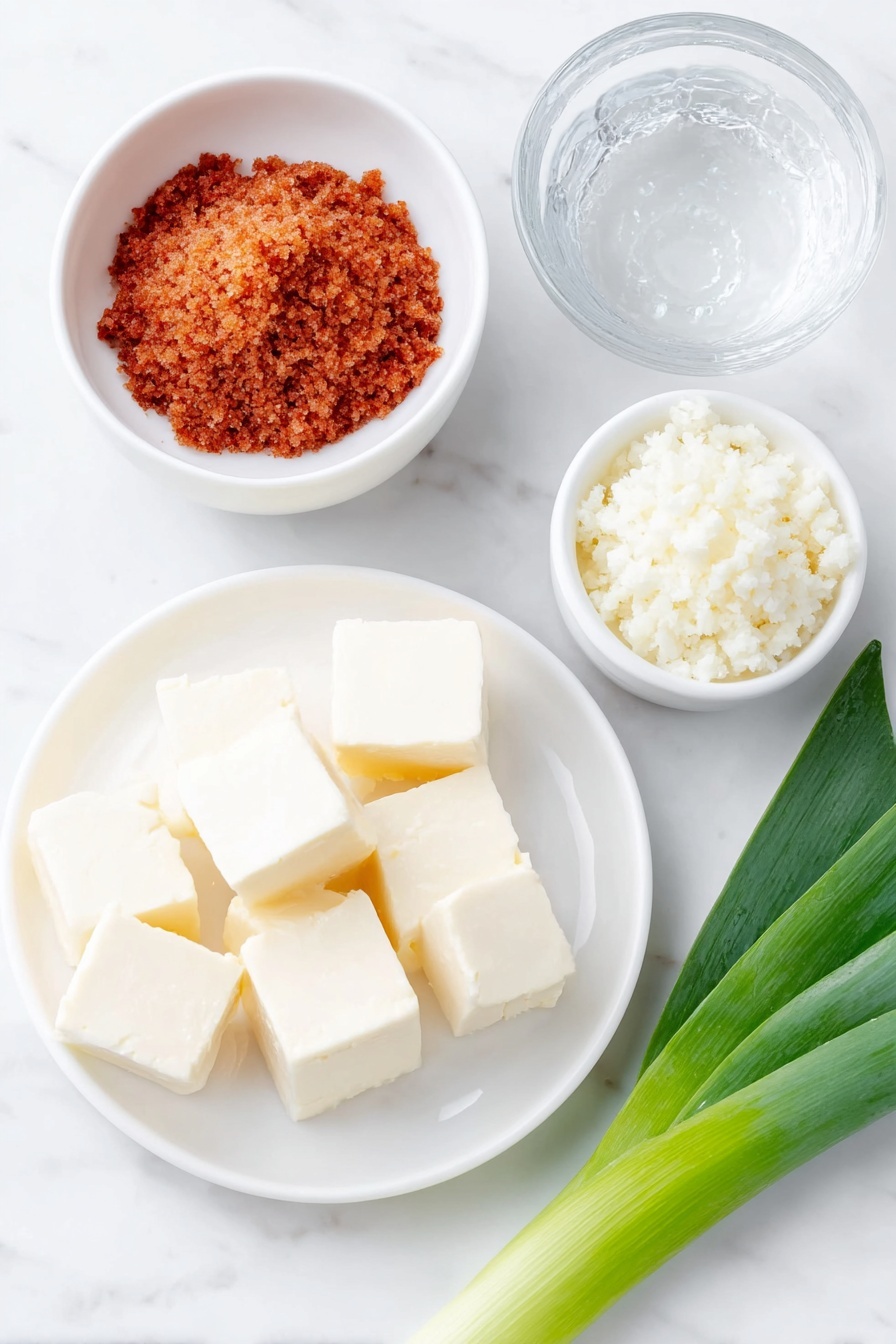
- Water: The soup base; make sure to use fresh, clean water for the best taste.
- Hondashi Powder: This is your shortcut to rich, authentic dashi broth that enhances the soup’s depth.
- Wakame Seaweed: Look for dried wakame; it expands quite a bit when rehydrated, so smaller pieces work better.
- Tofu: I prefer soft or silken tofu for that melt-in-your-mouth texture, but firm tofu works fine if you want more bite.
- Gluten Free Miso Paste: White miso is milder and sweeter, red miso is bolder—feel free to experiment to find what you love.
- Green Onion: Optional but adds a fresh, vibrant finish that I never skip.
Variations
One of the things I love about this Easy Miso Soup with Tofu and Wakame Recipe is how easy it is to make your own. Once you know the basics, you can adapt it to whatever flavors or ingredients you love most.
- Use Different Miso Pastes: I discovered that mixing white and red miso gives a beautifully balanced flavor—not too sweet, not too salty.
- Add Mushrooms: Sliced shiitake or enoki mushrooms are a lovely addition for extra umami and texture.
- Switch Up Your Tofu: Sometimes I use fried tofu cubes for a crispy element, which is a fun twist when you’re craving something different.
- Vegetable Boost: Adding thinly sliced daikon radish or baby spinach can make your soup feel heartier without complicating things.
How to Make Easy Miso Soup with Tofu and Wakame Recipe
Step 1: Bring Your Broth to Life
Start by heating 4 cups of water to a boil in a medium-sized pot. Once boiling, sprinkle in 1 teaspoon of hondashi powder—this instantly transforms the water into a savory dashi broth that layers amazing flavor without the fuss of making stock from scratch. Then, toss in your dried wakame seaweed and cubed tofu. I like to cut the tofu into half-inch pieces so they’re easy to eat but don’t fall apart too quickly.
Step 2: Simmer and Rehydrate
Bring the soup back to a boil, then reduce the heat to a high simmer. Let it cook for about 3 minutes—this gives the wakame time to fully rehydrate and expand, absorbing all that lovely broth flavor. Keep an eye on the tofu to make sure it stays intact and gently jiggles in the pot—it’ll be perfectly tender soon.
Step 3: Stir in the Miso Magic
Now, here’s a trick I discovered that really makes a difference: turn off the heat before adding your miso paste (about 4 tablespoons, depending on your preference). Use a fine-mesh strainer or small sieve to scoop out some hot broth and dissolve the miso in it—this helps prevent clumps. Then gently whisk that mixture back into your pot. This way, you keep all the delicate probiotics in the miso intact and avoid boiling away the flavor. If you don’t have a strainer, you can scoop a small amount into a bowl and stir the miso until smooth, then pour it back in.
Step 4: Finishing Touches
Just before serving, stir in thinly sliced green onions for a pop of color and a gentle onion bite. Now your Easy Miso Soup with Tofu and Wakame is ready to enjoy! Serve it hot for the best experience, and savor every soothing spoonful.
Pro Tips for Making Easy Miso Soup with Tofu and Wakame Recipe
- Don’t Boil After Miso: I learned the hard way that boiling miso soup after adding the paste kills beneficial enzymes and dulls flavor—always add miso off heat!
- Cut Wakame Before Cooking: Dry wakame swells up, so breaking it into smaller pieces before cooking makes it easier to eat and more evenly distributes its flavor.
- Use Fresh Tofu: I find that tofu straight from the fridge is easier to cube cleanly; gently pressing excess water can help if it seems too wet.
- Adjust Miso to Taste: Start with less miso and add more gradually—everyone’s taste buds vary, and you want that perfect balance of salty and savory for you.
How to Serve Easy Miso Soup with Tofu and Wakame Recipe
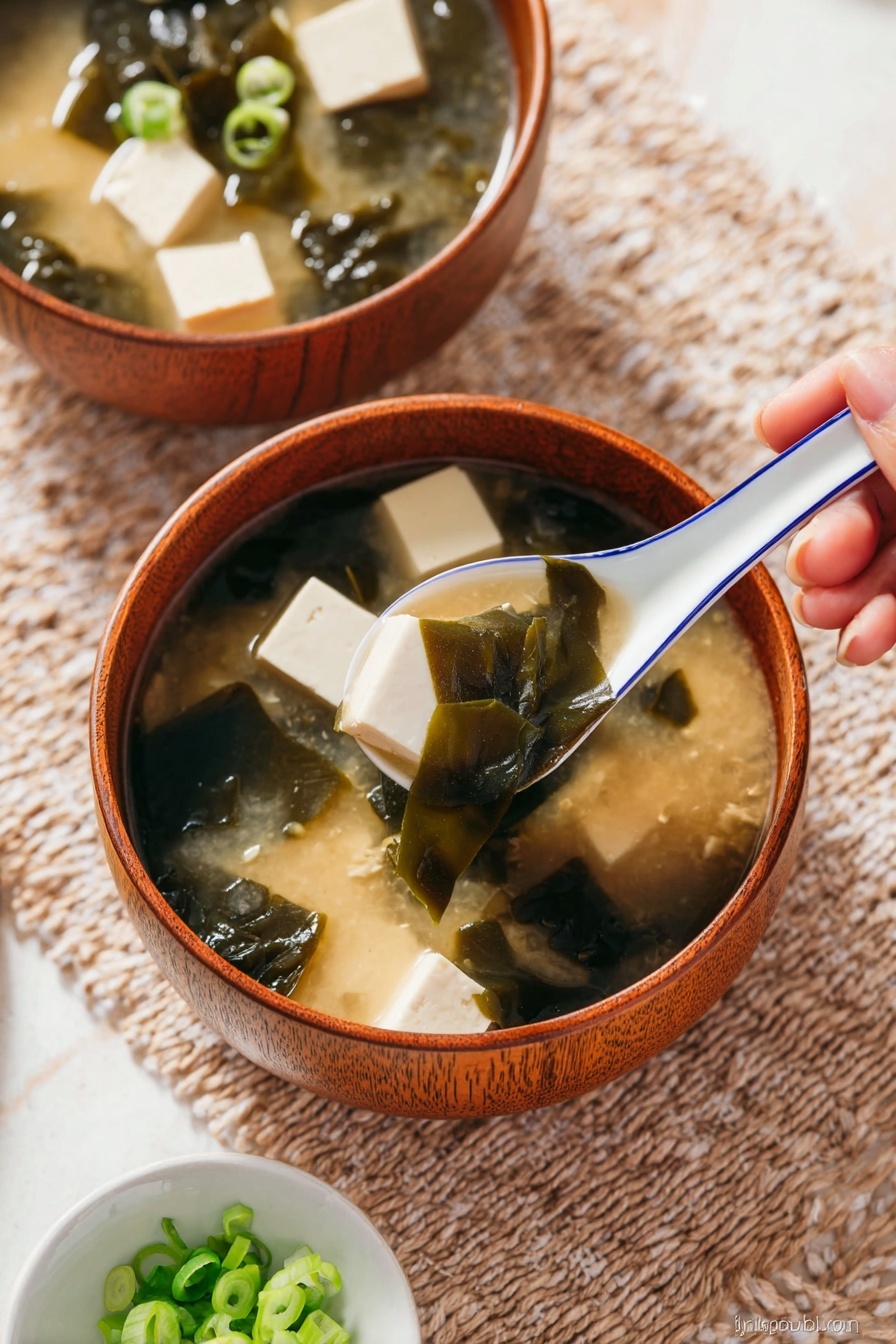
Garnishes
I love topping this soup with fresh green onions because they bring brightness, but sometimes I sprinkle a little toasted sesame seed or a pinch of shichimi togarashi for a gentle spice kick. It’s also great with finely sliced mushrooms or a few drops of sesame oil for a richer vibe.
Side Dishes
For a lovely meal, I often pair this miso soup with steamed rice and a simple cucumber salad. When I want something heartier, grilled salmon or teriyaki chicken on the side makes the combo irresistible. Plus, if you’re in a pinch, a few vegetable tempura pieces are a match made in flavor heaven.
Creative Ways to Present
For special occasions, I like to serve this soup in pretty ceramic bowls with matching lids to keep it warm and add a touch of ceremony. Adding a small bamboo whisk on the side lets guests stir in extra miso paste themselves! You can also float delicate edible flowers or microgreens on top for a seasonal splash of color.
Make Ahead and Storage
Storing Leftovers
I keep leftover miso soup in an airtight container in the fridge and consume it within a day or two. Just remember that the tofu can absorb flavors over time, so it’s best fresh—but the broth still tastes great after chilling.
Freezing
I’ve tried freezing miso soup before, and I found it changes the texture of the tofu and wakame, which can become a little mushy. So, I don’t recommend freezing this soup for the best texture and flavor.
Reheating
When reheating leftovers, warm the soup gently on low heat and avoid bringing it to a boil. This helps preserve the delicate flavors of the miso paste and keeps the tofu from breaking apart too much. Add any fresh garnishes after reheating for that fresh, vibrant touch.
FAQs
-
Can I use regular miso paste instead of gluten free?
Absolutely! While this recipe calls for gluten free miso paste, regular miso paste works just fine if gluten isn’t a concern for you. Just check the label for your preferred type and adjust the amount according to your taste, especially if it’s saltier.
-
What’s the difference between white, yellow, and red miso paste?
White miso is lighter and sweeter, yellow miso has a balanced medium flavor, and red miso is more intense and saltier. Your choice affects the soup’s depth and saltiness, so start with what you enjoy or mix them for a customized taste.
-
Can I make miso soup without hondashi?
You can, but hondashi is a real time-saver that adds authentic dashi flavor without effort. Without it, your broth will be lighter and less savory, but you could substitute with homemade dashi or vegetable broth if preferred.
-
Is wakame seaweed necessary in miso soup?
Wakame gives a distinct, delicate ocean taste and texture that’s classic in miso soup, but you can omit or substitute with other seaweeds like kombu if needed. Just be aware it’s one of the key flavors that makes this soup so special.
Final Thoughts
This Easy Miso Soup with Tofu and Wakame Recipe has become a staple in my kitchen because it’s reliable, tasty, and lifts my spirits every time I make it. Whether you’re warming up on a cold night or looking for a light, flavorful starter, this soup won’t disappoint. Give it a try—you’ll be amazed at how such simple ingredients create something so beautifully comforting. I can’t wait for you to make it yours and enjoy it as much as my family and I do!
Print
Easy Miso Soup with Tofu and Wakame Recipe
- Prep Time: 2 minutes
- Cook Time: 6 minutes
- Total Time: 8 minutes
- Yield: 4 servings
- Category: Soup
- Method: Stovetop
- Cuisine: Japanese
- Diet: Gluten Free
Description
This Easy Miso Soup recipe offers a comforting and traditional Japanese soup that is gluten free and simple to prepare. Featuring savory hondashi powder, rehydrated wakame seaweed, soft tofu cubes, and rich miso paste, this soup is a quick, nourishing meal perfect for any day. Customize with your choice of white, yellow, or red miso paste and optional green onions for a fresh finish.
Ingredients
Soup Base
- 4 cups water
- 1 teaspoon hondashi powder
Seaweed and Tofu
- ¼ cup wakame seaweed, cut or broken into smaller ½ inch pieces
- 8 ounces tofu, drained and cut into ½ inch cubes or smaller
Miso Paste and Garnish
- 4 tablespoons gluten free miso paste (white, yellow, or red)
- 1 stalk green onion, thinly sliced (optional)
Instructions
- Heat the Broth: Bring 4 cups of water to a boil in a pot, then add 1 teaspoon of hondashi powder, ¼ cup of wakame seaweed pieces, and 8 ounces of drained tofu cubes.
- Simmer the Soup: Once boiling again, reduce the heat to a high simmer. Let the soup simmer gently for about 3 minutes until the wakame seaweed is fully rehydrated and tender.
- Dissolve the Miso: Turn off the heat. Use a strainer or ladle to scoop some soup into a bowl and whisk in 4 tablespoons of gluten free miso paste until smooth. Then, stir the miso mixture back into the pot until fully combined. This prevents direct boiling of miso which can change its flavor.
- Add Green Onions and Serve: Stir in thinly sliced green onions if using, then ladle the miso soup into bowls. Serve immediately while hot and enjoy the fragrant, savory flavors.
Notes
- Refer to the full post for step-by-step photos, tips, and FAQ to perfect your soup.
- Miso Paste Choices: White miso is creamier and sweeter; yellow is mild; red miso is saltier and richer. Adjust the amount to your taste—3 tablespoons recommended if using red miso due to its stronger flavor.
- Tofu: Silken tofu is traditional, but any firmness can be used depending on your texture preference.
- Wakame Seaweed: Dry wakame expands when rehydrated, so break it into smaller pieces for easier eating.
- Hondashi Powder: This is a convenient granulated dashi stock alternative that brings authentic umami without the need to make stock from scratch.
Nutrition
- Serving Size: 1 cup (240 ml)
- Calories: 60
- Sugar: 1 g
- Sodium: 750 mg
- Fat: 2 g
- Saturated Fat: 0.3 g
- Unsaturated Fat: 1.7 g
- Trans Fat: 0 g
- Carbohydrates: 6 g
- Fiber: 1 g
- Protein: 5 g
- Cholesterol: 0 mg