
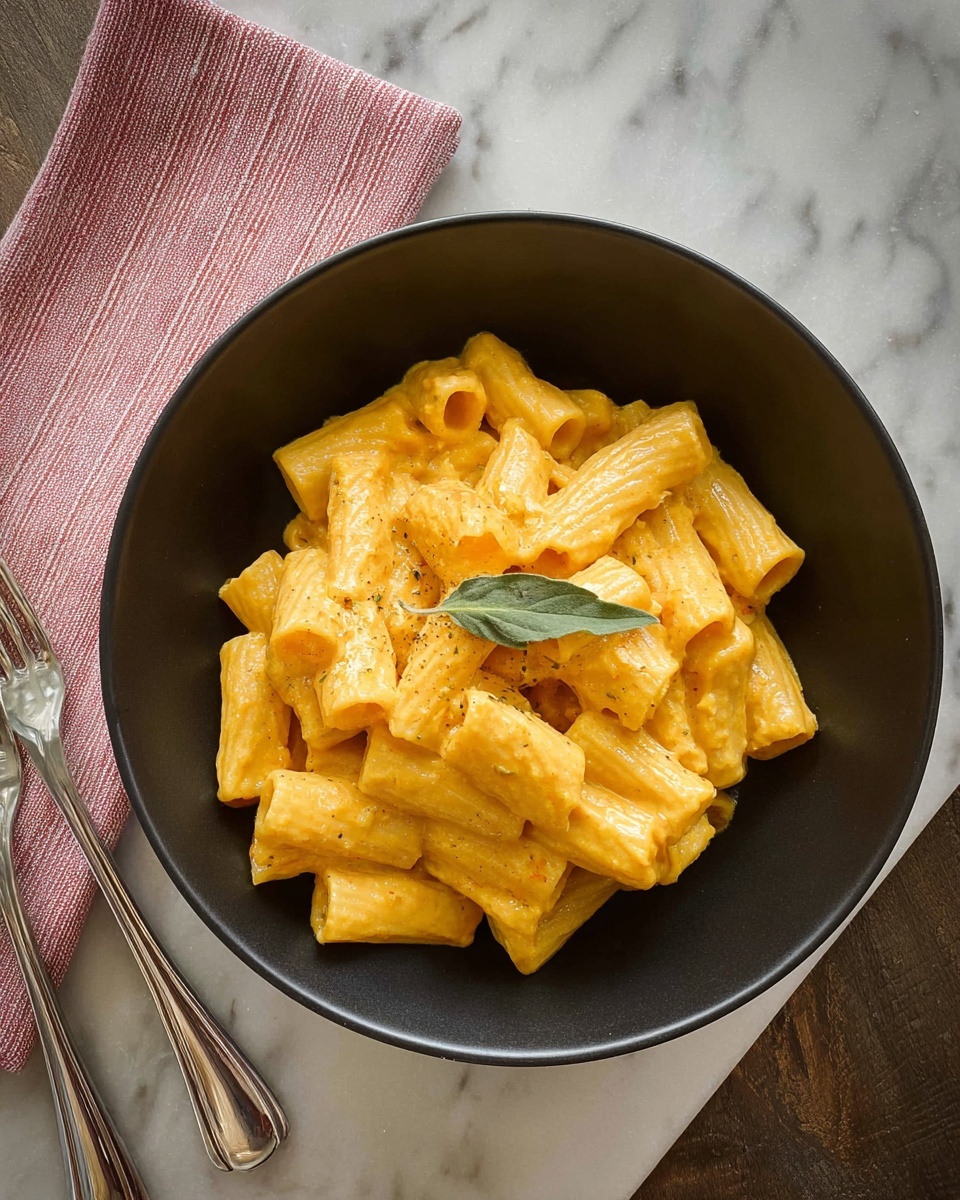
If you’re looking for a cozy, flavorful dinner that’s both comforting and a bit fancy without spending hours in the kitchen, you’re going to adore this Creamy Butternut Squash Pasta Recipe. It’s one of those dishes I keep going back to because it’s effortless yet so rich and satisfying. The roasted butternut squash blends into a velvety sauce, infused with sage and nutmeg that just warm you up from the inside out. Trust me, once you try this, you’ll want to make it again and again—whether for a weeknight or a special occasion.
Why You’ll Love This Recipe
- Simple Ingredients: Just a handful of pantry staples and fresh produce come together to create an impressive dish.
- Lusciously Creamy Sauce: No cream or dairy needed—roasted butternut squash creates all the richness naturally.
- Fast and Fuss-Free: Roasting and blending mean minimal hands-on time but maximum flavor.
- Perfect for All Seasons: Comforting yet light enough for a quick summer supper or cozy fall dinner.

Ingredients You’ll Need
I love how the ingredients in this Creamy Butternut Squash Pasta Recipe all work together to build layers of flavor with minimal effort. When shopping, look for a firm, fresh butternut squash and fresh sage if you can find it; it’s a game changer.
- Butternut squash: Fresh is best for that sweet, nutty backdrop to your sauce; peeling and cubing is easier than it sounds with a sharp knife.
- Yellow onion: Adds a mellow sweetness once roasted, balancing the squash beautifully.
- Vegetable oil: I usually go with olive or avocado oil for healthy fats and a nice roasting effect.
- Dried sage: This warm herb is essential here; it perfectly complements the squash’s flavor.
- Nutmeg: Just a touch adds a subtle spice that elevates the entire dish.
- Salt and pepper: Key to bringing out the natural flavors without overpowering.
- Garlic cloves (unpeeled): Roasting garlic in the skin keeps it sweet and mellow.
- Pasta: I prefer a sturdy shape like penne or rigatoni to hold up well with the sauce.
- Fresh sage: Toss it in the blender to freshen up the sauce at the end.
- Vegetable stock: Adds depth and thins the sauce to the perfect creamy consistency.
- Parmesan cheese: Sprinkle generously at the end for amazing salty richness (optional for dairy-free).
Variations
I like to keep this Creamy Butternut Squash Pasta Recipe pretty classic, but there’s plenty of room to play. Customizing it allows you to suit dietary needs or seasonal produce, making it a go-to anytime.
- Vegan version: Skip the Parmesan or swap for a vegan cheese or nutritional yeast—I find nutritional yeast adds a nice, cheesy tang that pairs beautifully with the squash.
- Add protein: Stir in some roasted chickpeas or cooked sausage to make it heartier; my family loves this adjustment for dinner.
- Spice it up: A pinch of red pepper flakes or smoked paprika adds a fun twist if you want a little heat.
- Herb swaps: Try rosemary or thyme instead of sage for a different herbal note—both work gorgeously.
How to Make Creamy Butternut Squash Pasta Recipe
Step 1: Roast the Butternut Squash and Onions to Perfection
Start by preheating your oven to 400°F (200°C). Spread your cubed butternut squash and chunked onion on a large baking sheet in a single layer—crowding them makes them steam, so don’t skimp on space! Drizzle with your vegetable oil, and toss by hand with dried sage, freshly grated nutmeg, salt, and pepper until everything’s nicely coated. Roast for 20 minutes, then add the unpeeled garlic cloves directly on the pan and roast for another 10 minutes, until the squash is tender when poked with a fork. This roasting step builds deep, caramelized flavors that make all the difference in your sauce.
Step 2: Boil the Pasta While the Vegetables Cool
While the veggies rest for about 5 minutes after roasting (this helps keep the sauce warm and flavors meld), bring a large pot of salted water to a boil. Cook your pasta according to the package directions until al dente. I like to save a cup of pasta water just in case the sauce needs thinning, but usually the vegetable stock does the trick.
Step 3: Blend Vegetables Into a Silky Sauce
Once the vegetables have cooled slightly, peel the garlic cloves and add them into your blender along with the roasted squash, onions, fresh sage, and vegetable stock. Blend until gorgeously smooth with the texture of a creamy sauce. If you want it soup-like, simply add a touch more stock—it’s that flexible! I love how the fresh sage wakes up the earthiness of the squash here.
Step 4: Toss Pasta with Sauce and Serve
Drain the pasta well and immediately toss it with the butternut squash sauce so every piece gets coated in that creamy goodness. Top with a generous sprinkle of freshly grated Parmesan cheese if you’re using it, and serve warm. The first time I made this, my family went crazy, asking for seconds within minutes!
Pro Tips for Making Creamy Butternut Squash Pasta Recipe
- Don’t Overcrowd the Pan: Roasting the squash and onions in a single layer ensures caramelization instead of steaming, which makes the sauce taste richer.
- Peel Garlic After Roasting: Roasting garlic in the skin softens it beautifully—just squeeze it out once cool for mellow, sweet flavor.
- Adjust Sauce Consistency: Blend with vegetable stock slowly to get the perfect creamy texture—this also makes the sauce versatile as a pasta sauce or soup.
- Taste Before Seasoning: Since the squash is naturally sweet, adjusting salt and pepper at the end brings balance without overpowering.
How to Serve Creamy Butternut Squash Pasta Recipe
Garnishes
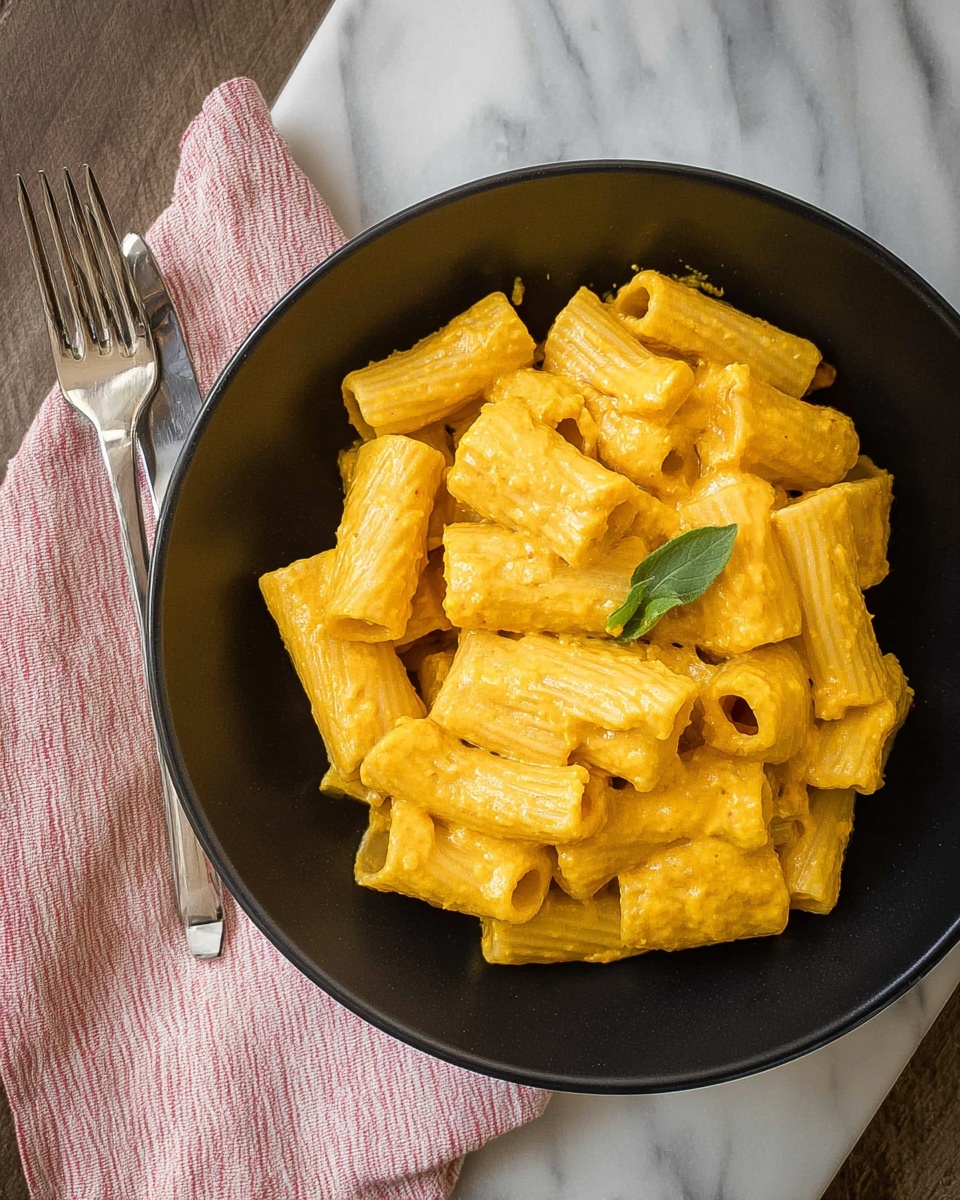
I’m a big fan of finishing this pasta with a handful of freshly grated Parmesan cheese—it adds that perfect salty punch. Fresh sage leaves lightly torn over the top add a bright herbal note and look beautiful. If you want a bit of crunch, toasted pumpkin seeds or walnuts are fabulous too.
Side Dishes
This pasta pairs wonderfully with simple green salads, like arugula with lemon vinaigrette, or some sautéed garlic spinach. For a heartier meal, I sometimes serve it alongside roasted Brussels sprouts or a crisp apple slaw to contrast the creamy pasta.
Creative Ways to Present
For special dinners, I love serving the pasta in shallow bowls with a drizzle of good olive oil and a sprinkle of toasted sage breadcrumbs right before serving—it adds texture and rustic charm. Sometimes, I’ll present it as a layered dish in a clear glass casserole with slices of roasted squash on top for an eye-catching centerpiece.
Make Ahead and Storage
Storing Leftovers
I store leftover creamy butternut squash pasta in an airtight container in the fridge for up to 3 days. Be sure to cool it first but don’t let it hang out too long uncovered, as the sauce can dry out. When you’re ready, gently reheat on the stove with a splash of vegetable stock to loosen up the sauce—it brings it back to life.
Freezing
I’ve frozen just the sauce successfully by itself in freezer-safe containers for up to 2 months. When thawed, it reheats beautifully with a bit of extra stock. I avoid freezing the pasta with the sauce because the noodles can get mushy, but you can always cook fresh pasta when ready to eat.
Reheating
To reheat, I warm the sauce gently in a saucepan over medium-low heat, adding a splash of vegetable stock or water as needed until silky again. Then I toss in freshly cooked pasta to avoid soggy noodles. This method keeps everything fresh and delicious.
FAQs
-
Can I make Creamy Butternut Squash Pasta Recipe vegan?
Absolutely! Just skip the Parmesan cheese or use a vegan alternative like nutritional yeast or a plant-based cheese. The sauce itself is naturally dairy-free and relies on the squash for creaminess.
-
What type of pasta works best with this sauce?
I recommend sturdy pasta shapes like penne, rigatoni, or fusilli because they hold onto the thick, creamy sauce nicely. But honestly, your favorite pasta will work—just cook it al dente for the best texture.
-
Can I use frozen butternut squash instead of fresh?
You can in a pinch! Frozen squash tends to release extra water, so you may want to roast it a bit longer to deepen the flavor and reduce moisture. The sauce may be slightly less creamy but still tasty.
-
How do I store leftover pasta to prevent it from drying out?
Store leftover pasta and sauce separately if you can—this helps prevent the noodles from soaking up too much sauce and getting mushy. Use airtight containers and add a splash of stock or olive oil before reheating.
Final Thoughts
I absolutely love how this Creamy Butternut Squash Pasta Recipe turns simple autumn produce into something so luxurious and satisfying. When I first tried it, I was amazed at the depth of flavor and how smooth and rich the sauce felt without any cream or butter. It’s become a staple in my kitchen, especially when I want to whip up something comforting with minimal effort. I can’t wait for you to try it—I’m pretty sure it’s going to become one of your favorites too. Happy cooking!
Print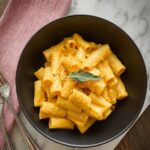
Creamy Butternut Squash Pasta Recipe
- Prep Time: 5 minutes
- Cook Time: 25 minutes
- Total Time: 30 minutes
- Yield: 4 servings
- Category: Main Course
- Method: Roasting
- Cuisine: Italian
- Diet: Vegetarian
Description
This creamy butternut squash pasta features a rich, dairy-free sauce made from roasted butternut squash and sage, blended into a smooth and flavorful coating for pasta. Roasting the squash and onion brings out their natural sweetness, while fresh and dried sage add a wonderful herbal note. It’s a cozy, autumn-inspired pasta dish perfect for a comforting meal.
Ingredients
Roasted Vegetables
- 1 whole butternut squash, 2 pounds (566 grams), peeled and cut into cubes
- 1 medium yellow onion (2 cups/293 grams), cut into large chunks
- 1 tablespoon vegetable oil
- 1 teaspoon dried sage
- ¼ teaspoon freshly grated nutmeg
- 1 teaspoon salt
- ½ teaspoon freshly ground black pepper
- 2 garlic cloves, unpeeled
Pasta & Sauce
- 1 pound (453 grams) pasta
- ½ teaspoon fresh sage
- 1 cup (236 ml) vegetable stock
- Freshly grated Parmesan cheese, for garnish
Instructions
- Preheat Oven: Preheat your oven to 400°F (200°C) to prepare for roasting the vegetables.
- Prepare Vegetables: Spread the butternut squash cubes and chopped onion evenly on a large baking sheet. Drizzle with vegetable oil, then sprinkle with dried sage, freshly grated nutmeg, salt, and freshly ground pepper. Toss everything with your hands to coat evenly, ensuring the vegetables are in a single layer without crowding to allow roasting rather than steaming.
- Roast Vegetables: Roast the vegetables in the oven for 20 minutes. After that, add the unpeeled garlic cloves to the baking sheet and continue roasting for another 10 minutes, or until the butternut squash is tender when pierced with a fork. Once done, remove from the oven and let the vegetables cool in the pan for 5 minutes.
- Cook Pasta: Meanwhile, bring a large pot of salted water to a boil and cook the pasta according to the package instructions until al dente. Drain the pasta and set aside.
- Make Sauce: Peel the roasted garlic cloves and transfer them along with the cooled butternut squash, roasted onion, fresh sage, and vegetable stock to a blender. Blend until smooth and creamy, resembling a sauce consistency. If desired, add more vegetable stock in small amounts to thin the sauce into a soup-like texture.
- Toss Pasta with Sauce: Immediately toss the drained hot pasta with the creamy butternut squash sauce, ensuring it is evenly coated.
- Serve: Garnish the pasta with freshly grated Parmesan cheese and serve warm for a comforting meal.
Notes
- This recipe produces a deliciously creamy, dairy-free sauce using roasted butternut squash and sage.
- The sauce is naturally rich and flavorful without the need for cream or butter.
- You can adjust the sauce consistency by adding more vegetable stock depending on preference.
- Fresh Parmesan cheese adds a lovely finishing touch, but for a vegan version, omit the cheese or use a plant-based alternative.
- Ensure vegetables are roaster evenly and not crowded to avoid steaming and achieve proper caramelization.
Nutrition
- Serving Size: 1 serving
- Calories: 92
- Sugar: 3 grams
- Sodium: 640 milligrams
- Fat: 5 grams
- Saturated Fat: 1 gram
- Unsaturated Fat: 4 grams
- Trans Fat: 0 grams
- Carbohydrates: 11 grams
- Fiber: 2 grams
- Protein: 3 grams
- Cholesterol: 3 milligrams