
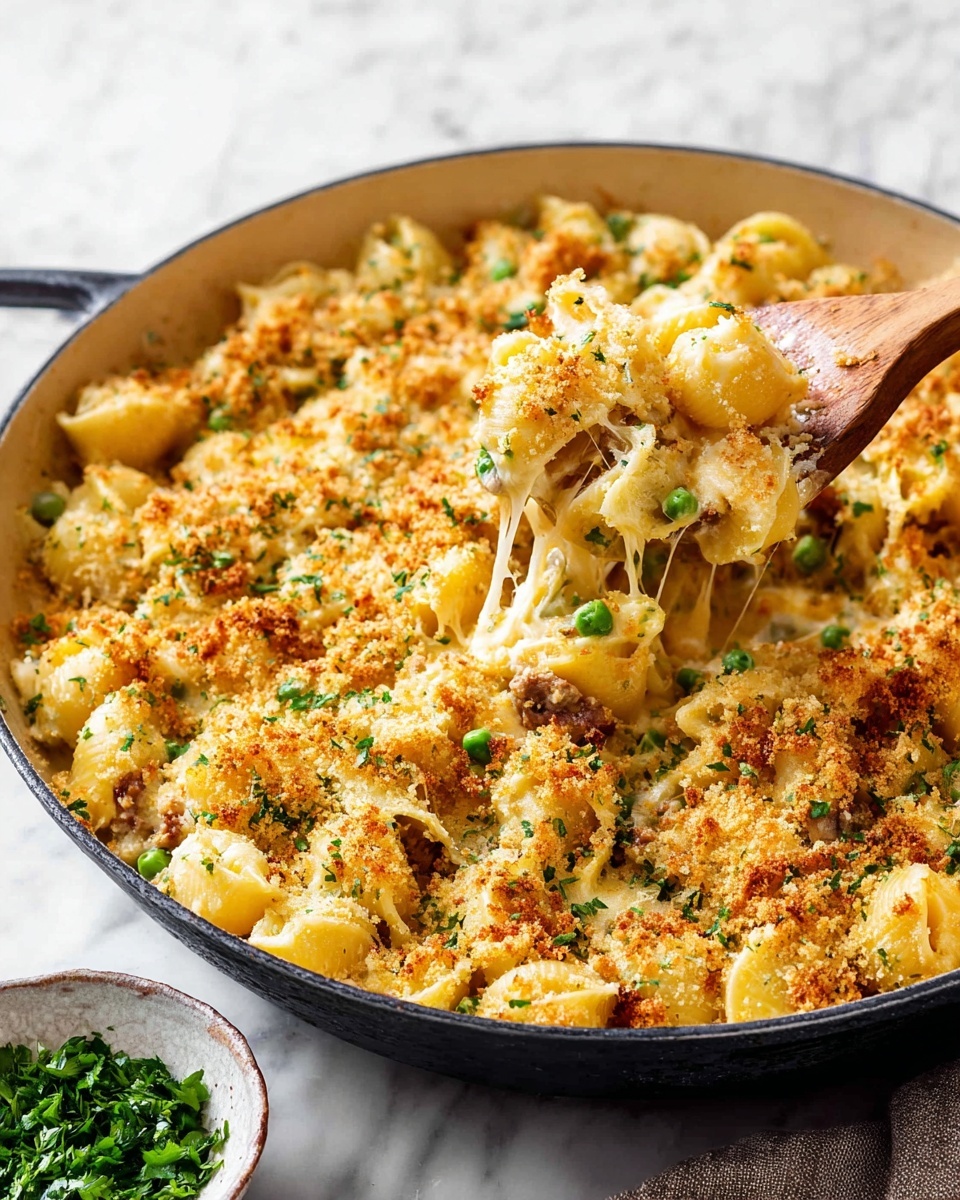
If you’ve been craving a comforting, comforting dinner that still feels fresh and satisfying, I’m excited to share my Best Tuna Noodle Casserole Recipe with you. This casserole hits all the right notes — creamy, cheesy sauce, tender shell pasta, flaky tuna, and a crispy panko topping that your family will go crazy for. Trust me, once you try this version, you’ll never look back at the canned soup stuff. Keep reading because I’m spilling all my secrets to make it foolproof and utterly delicious!
Why You’ll Love This Recipe
- No Canned Soup: This recipe uses a homemade creamy sauce instead of canned soup, making it lighter and fresher.
- Perfectly Tender Pasta: Cooking the pasta just shy of al dente allows it to finish cooking in the oven without turning mushy.
- Crispy Panko Topping: The golden crust adds fantastic texture and flavor — a must-have for that classic casserole feel.
- Family Favorite: I discovered that this dish always disappears fast; it’s a guaranteed crowd-pleaser for weeknights.

Ingredients You’ll Need
Every ingredient in the Best Tuna Noodle Casserole Recipe plays its part in building layers of flavor and texture. From the shell pasta that holds saucy goodness to the diced shallots and celery sautéed for that perfect bite, these simple ingredients come together beautifully.
- Panko breadcrumbs: This is the secret to that irresistible crunchy topping. I like to toss it with olive oil for extra crispness.
- Olive oil or melted butter: Helps brown the panko and adds a buttery richness.
- Parmesan cheese: For a sharp, savory kick in the topping that complements the cheddar inside.
- Flat leaf parsley: Fresh parsley for garnish brightens up the rich casserole.
- Shell pasta: I prefer shells because they catch the creamy sauce perfectly.
- Unsalted butter: Used to sauté veggies and build the roux for the sauce.
- Diced celery: Adds a subtle crunch and freshness.
- Diced shallots: I love shallots here for their mild oniony sweetness.
- Garlic: Don’t skip it! It gives a wonderful savory depth.
- Flour: The thickening agent for the luscious sauce.
- Dijon mustard: Just a touch wakes up the sauce with a mild tanginess.
- Low sodium chicken broth: Keeps flavors balanced without too much salt.
- Milk (warmed): Warming it helps the sauce stay smooth and lump-free.
- Shredded cheddar cheese: The cheesy heart of the casserole. Sharp cheddar works best.
- Canned tuna in water (drained): Flaky and convenient, it melds perfectly into the cheesy sauce.
- Frozen peas: Add a pop of color and subtle sweetness.
Variations
I like to switch things up depending on what’s in my fridge or the season. This Best Tuna Noodle Casserole Recipe is super flexible, so feel free to make it your own and surprise your family with new touches!
- Make it with cream of mushroom alternative: If you want even richer flavor, try adding sautéed mushrooms into the mix — my kids actually love the earthy notes it adds.
- Swap the tuna for canned salmon or chicken: I once made this with canned chicken on a busy weeknight, and it turned out just as delicious.
- Use gluten-free pasta and flour: I’ve tried gluten-free pasta for a friend with sensitivities; just be sure to check cooking times as they vary.
- Add crunch with fried onions: If you’re craving extra texture, sprinkle some fried onions on top instead of panko — it’s a fun twist.
How to Make Best Tuna Noodle Casserole Recipe
Step 1: Prep the Topping
First things first, toss the panko breadcrumbs with olive oil (or melted butter) and parmesan cheese in a small bowl. Set this aside — this topping will get your casserole golden and crispy, which is such a delight. Preheat your oven to 350°F so it’s ready when the filling is done.
Step 2: Cook the Pasta Just Right
Cook your shell pasta according to package instructions but stop 1-2 minutes before it’s fully al dente. This is key! The pasta will finish cooking in the oven, soaking up all that creamy sauce without getting mushy. Drain and set it aside.
Step 3: Sauté the Veggies and Build the Sauce
Melt 1 tablespoon of butter in a large 12-inch skillet over medium-high heat. Toss in diced shallots, celery, and garlic with a pinch of salt and pepper, cooking about 2-3 minutes until softened and fragrant. Add the remaining 2 tablespoons of butter, then sprinkle the flour over the veggies and butter. Stir continually until the flour is well combined and you don’t see any white streaks — this is your roux that’ll thicken the sauce beautifully.
Whisk in the dijon mustard, then slowly pour in the warm chicken broth and milk, whisking constantly to avoid lumps. Bring this mixture to a gentle simmer — you’ll see it thicken and start to coat the back of a spoon. Lower the heat and whisk in shredded cheddar cheese until smoothly melted and creamy.
Step 4: Combine It All
Now, add the cooked pasta, drained tuna, and frozen peas into the skillet with the luscious sauce. Stir gently until everything is evenly coated. This step always makes my kitchen smell incredible.
Step 5: Bake to Perfection
Sprinkle the panko topping evenly over the casserole and slide the whole skillet into your preheated oven. Bake for about 25 minutes or until the casserole is bubbly and the topping turns that gorgeous golden brown. Serve it up immediately — the contrast between creamy and crunchy is what makes this recipe so irresistible!
Pro Tips for Making Best Tuna Noodle Casserole Recipe
- Warm Your Milk: I discovered that warming milk before adding it to the roux prevents lumps and creates a silkier sauce — makes all the difference!
- Don’t Overcook Pasta: Cooking your pasta a little underdone avoids that dreaded mushy texture after baking.
- Use Fresh Shallots: They add a delicate sweetness that onion can’t quite match — my secret weapon for flavor depth.
- Let It Rest Briefly: Allow the casserole to cool for 5 minutes after baking so it sets nicely and is easier to serve.
How to Serve Best Tuna Noodle Casserole Recipe
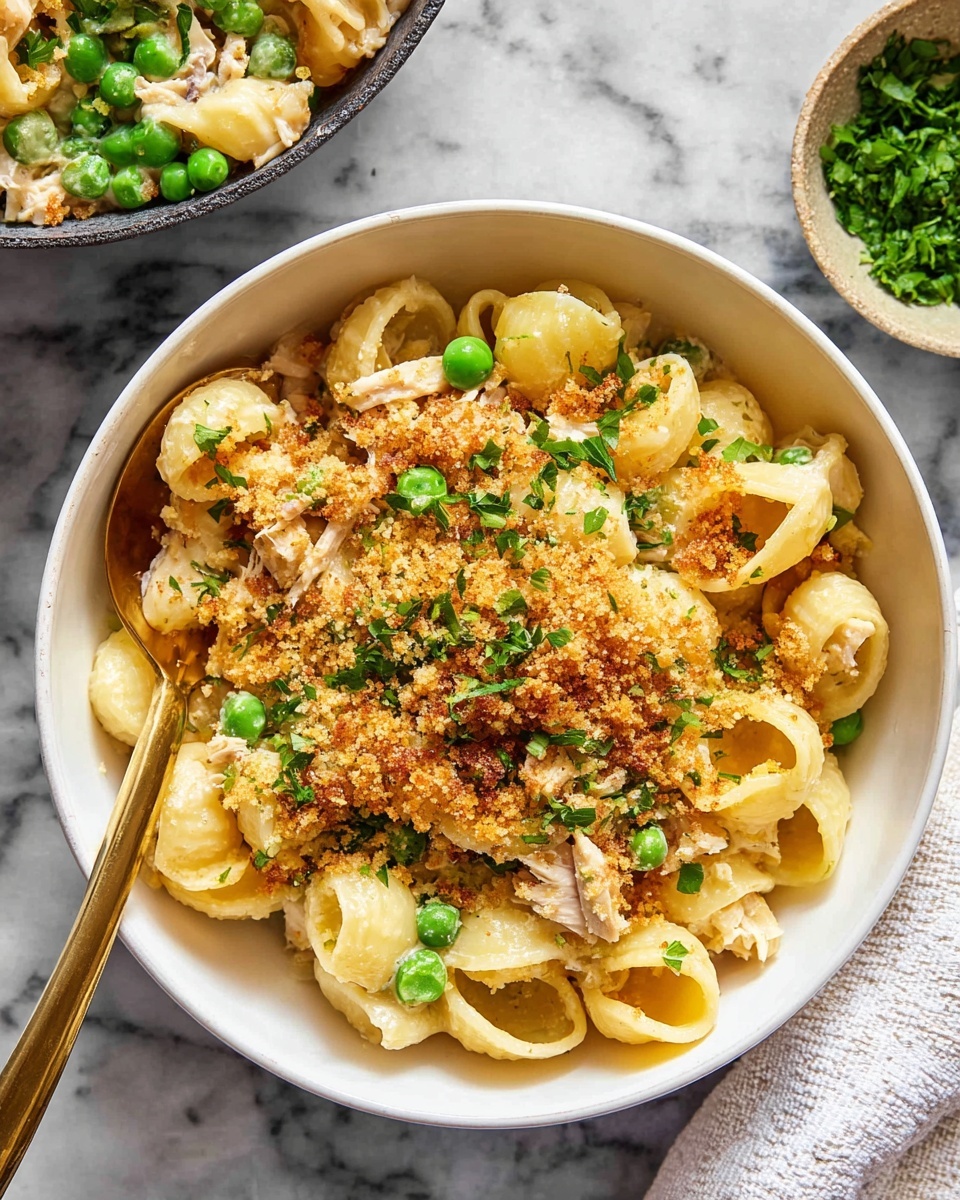
Garnishes
I always finish this tuna noodle casserole with a sprinkle of fresh flat leaf parsley. It adds a vibrant green pop and a refreshing herbaceous note that balances the cheesy richness perfectly. If you want a little extra flair, a quick dusting of extra parmesan on top before serving is delightful.
Side Dishes
You’ll find this casserole is pretty satisfying on its own, but I love serving it alongside a simple green salad dressed with a tangy vinaigrette or roasted seasonal vegetables for some crunch. My family also enjoys soft dinner rolls or garlic bread on the side to scoop up any leftover creamy sauce.
Creative Ways to Present
For special occasions, I’ve baked this tuna noodle casserole in individual ramekins or small cast iron skillets. It makes each portion feel special, plus the crispy topping stays extra crunchy on the edges. Another trick is to add a thin layer of gruyere cheese beneath the panko topping for an upscale gooey surprise.
Make Ahead and Storage
Storing Leftovers
After dinner, let any leftovers cool completely before transferring them to an airtight container. I store mine in the fridge where they keep well for up to 3 days. Just a heads-up— the topping usually softens after refrigeration, but the casserole tastes great reheated.
Freezing
I’ve frozen this casserole successfully, either before baking or after cooling. When freezing raw casserole, wrap tightly and thaw overnight in the fridge before baking as usual. Reheating from frozen works too but takes longer. This freedom is perfect for batch cooking and weeknight dinners.
Reheating
When reheating leftovers, I find baking covered with foil at 350°F works best so the casserole heats evenly without drying out. Remove the foil in the last 5-7 minutes to crisp up the topping again. Microwave is fine for a quick fix but the topping won’t stay crunchy.
FAQs
-
Can I use other types of pasta for this casserole?
Absolutely! While shell pasta works wonderfully because it holds the sauce, you can substitute elbow macaroni, rotini, or even penne if that’s what you have on hand. Just keep drying and cooking times in mind so the pasta finishes tender but not mushy.
-
Is it necessary to use Dijon mustard in the sauce?
Dijon mustard adds a subtle tang and depth to the sauce, but you can omit it if needed. The casserole will still be delicious, just a little less complex in flavor.
-
Can I make this casserole dairy-free or vegan?
To make it dairy-free, you can swap butter for a plant-based alternative, use dairy-free cheese, and substitute milk with unsweetened plant milk. For a vegan version, replace tuna with chickpeas or tofu and use vegan cheese. Keep in mind the flavor and texture will change but you can still enjoy a tasty casserole.
-
How can I add more vegetables to this casserole?
This recipe is versatile for adding extra veggies! Try stirring in sautéed mushrooms, diced bell peppers, or spinach along with the peas before baking. Just be mindful of moisture content to keep the casserole from getting too watery.
-
What’s the best way to avoid a soggy topping?
Make sure your panko topping is well coated in olive oil or butter before baking and sprinkle it evenly over the surface. Baking uncovered allows the topping to crisp up nicely. Avoid covering the casserole with foil during baking or the topping will steam and soften.
Final Thoughts
I absolutely love how this Best Tuna Noodle Casserole Recipe brings a nostalgic comfort food feel without feeling heavy or processed. It’s become my go-to for busy weeknights or when I want to impress guests with something homey and satisfying. I’m confident once you try it, you’ll enjoy it just as much as my family does — it’s a perfect blend of creamy, cheesy, and crispy. So, grab your skillet and give this recipe a whirl — your taste buds will thank you!
Print
Best Tuna Noodle Casserole Recipe
- Prep Time: 15 minutes
- Cook Time: 45 minutes
- Total Time: 60 minutes
- Yield: 6 servings
- Category: Main Dish
- Method: Baking
- Cuisine: American
Description
This Tuna Noodle Casserole recipe is a lightened-up, comforting twist on the classic dish. Featuring flaky canned tuna, tender shell pasta, sweet peas, and a creamy cheddar cheese sauce made from scratch without canned soup, it’s topped with a crispy golden panko breadcrumb crust. Perfect for a cozy family dinner, this casserole balances rich flavors and textures for an easy, satisfying meal.
Ingredients
For the Topping
- 1/3 cup panko breadcrumbs
- 1 tablespoon olive oil or melted butter
- 1/4 cup shredded parmesan cheese
- Flat leaf parsley for garnish
Main Ingredients
- 8 ounces shell pasta
- 3 tablespoons unsalted butter, divided
- 1/2 cup diced celery
- 1/2 cup diced shallots
- 1 clove garlic, grated or minced
- 3 tablespoons flour
- 1 tablespoon Dijon mustard
- 2 cups low sodium chicken broth
- 1 cup milk, warmed
- 1 1/2 cups shredded cheddar cheese
- 2 (5 ounce) cans tuna in water, drained
- 1 cup frozen peas
Instructions
- Prepare the topping: In a small bowl, combine the panko breadcrumbs, olive oil (or melted butter), and shredded parmesan cheese. Set this mixture aside. Preheat your oven to 350° F (175° C).
- Cook the pasta: Boil the shell pasta according to package instructions but cook it 1-2 minutes less than al dente so it doesn’t overcook during baking. Drain the pasta and set aside.
- Sauté vegetables: In a 12-inch skillet, melt 1 tablespoon of butter over medium-high heat. Add the diced shallots, celery, minced garlic, salt, and pepper. Sauté for 2-3 minutes until the vegetables have softened.
- Make the roux and sauce: Add the remaining 2 tablespoons of butter to the skillet. Once melted, sprinkle the flour over the mixture and stir continuously until the raw flour taste disappears and the mixture is smooth. Stir in the Dijon mustard.
- Add liquids: Slowly pour in the chicken broth and warmed milk while whisking constantly to prevent lumps. Bring the sauce to a gentle simmer and whisk until it thickens slightly.
- Incorporate cheese and main ingredients: Reduce heat to low and whisk in the shredded cheddar cheese until melted and smooth. Add the cooked pasta, drained tuna, and frozen peas to the skillet. Stir gently to combine everything evenly and coat with the cheesy sauce.
- Assemble and bake: Evenly sprinkle the prepared panko breadcrumb topping over the casserole. Place the skillet in the preheated oven and bake for 25 minutes, until the casserole is bubbly and the topping is golden brown.
- Serve: Garnish with flat leaf parsley if desired, and serve immediately while hot.
Notes
- Use flaky canned tuna to enhance texture.
- This recipe uses shell pasta which holds sauce nicely, but other pasta shapes can be substituted.
- The sauce is homemade, eliminating the need for canned soup for a fresher and lighter taste.
- Make sure to undercook pasta slightly since it will finish cooking during baking.
- The crispy panko topping adds a delightful contrast to the creamy casserole base.
- Frozen peas add a pop of sweetness and color.
- For a dairy-free version, substitute milk and cheese with plant-based alternatives and adjust sauce thickening accordingly.
Nutrition
- Serving Size: 1 serving
- Calories: 490 kcal
- Sugar: 7 g
- Sodium: 483 mg
- Fat: 21 g
- Saturated Fat: 11 g
- Unsaturated Fat: 7 g
- Trans Fat: 0.3 g
- Carbohydrates: 45 g
- Fiber: 4 g
- Protein: 30 g
- Cholesterol: 70 mg