
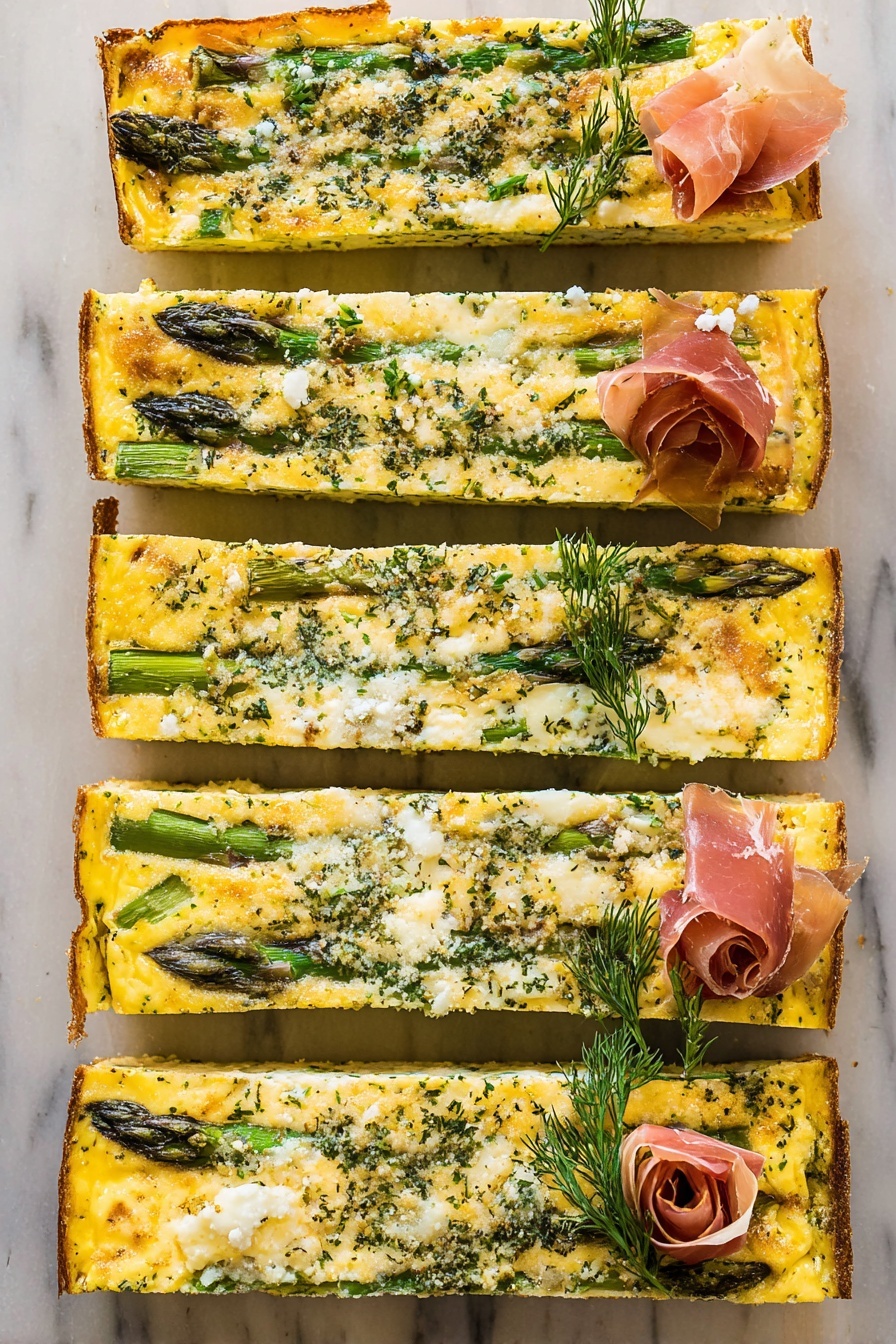
If you’re looking for a fresh, light-yet-satisfying dish that will wow your brunch guests or brighten up any meal, this Asparagus Frittata with Ricotta Recipe is an absolute winner. I love this recipe because it’s the perfect balance of creamy ricotta, tender asparagus, and fluffy eggs—plus it’s super easy to make once you get the hang of it. Keep reading, and I’ll share all my insider tips to help you nail it every time.
Why You’ll Love This Recipe
- Fresh & Seasonal: Asparagus shines in spring, and this frittata captures its flavor perfectly.
- Creamy Texture: The ricotta makes the eggs super creamy without weighing them down.
- Simple Yet Elegant: Ideal for weekend brunch or an easy dinner that feels special.
- Flexible and Fast: Quick to prepare once you prep the asparagus, great for busy cooks.

Ingredients You’ll Need
The magic of this Asparagus Frittata with Ricotta Recipe lies in the quality and combination of fresh ingredients. Simple pantry staples combined with fresh herbs and blanched asparagus make this dish both flavorful and light.
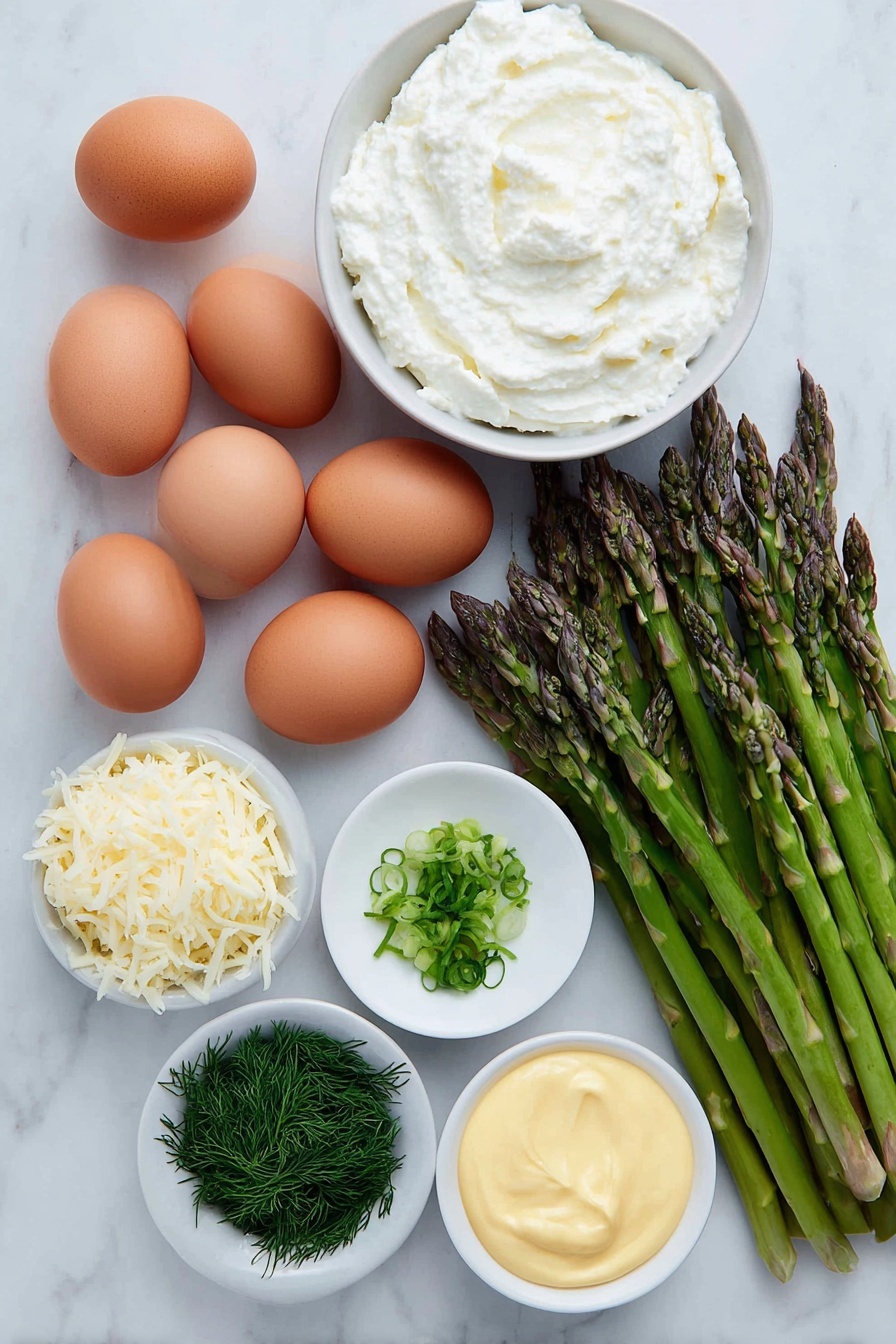
- Baby Asparagus: Choose thin spears for tenderness and even cooking, and trim the ends before blanching.
- Eggs: Eight large eggs ensure a fluffy, rich base—don’t skip them for structure.
- Whole Milk Ricotta: Using whole milk ricotta adds creaminess; split it to mix into eggs and top the frittata.
- Whole Milk: Adds moisture and helps create that custardy texture; avoid lower-fat milks to keep it creamy.
- Parmesan Cheese: Finely grated, it adds sharp, nutty depth to contrast the mild ricotta.
- Fresh Herbs (Chives & Dill): They bring a fresh, bright herbal note that complements asparagus beautifully.
- Dijon Mustard: Just a teaspoon to add subtle tanginess that balances the richness of the eggs and cheese.
- Kosher Salt & Pepper: Essential for seasoning—don’t skimp, it wakes up the flavors!
Variations
I love how versatile this asparagus frittata with ricotta recipe is—you can easily tweak it to suit your tastes or what you have on hand. After experimenting a bit, here are some of my favorite ways to switch it up.
- Swap the Herbs: I sometimes replace dill with fresh basil or tarragon for a different herbal aroma that still pairs well with asparagus.
- Add Protein: For a heartier meal, fold in cooked pancetta or crispy bacon—my family goes crazy for the smoky touch.
- Make it Vegan-ish: Use a plant-based ricotta and eggs substitute (like chickpea flour batter) to enjoy a similar idea.
- Seasonal Veggies: When asparagus is out of season, try replacing it with blanched green beans or sautéed zucchini ribbons.
How to Make Asparagus Frittata with Ricotta Recipe
Step 1: Preheat and Prep Your Pan for Success
First things first, set your oven rack in the center and preheat it to 375°F. I like to grease my baking pan generously with non-stick spray, then line it with parchment paper that hangs just over the edges—this makes lifting the frittata out a breeze without it sticking or breaking.
Step 2: Blanch and Shock the Asparagus
This step is key to keeping your asparagus tender and vibrantly green. Bring salted water to a boil, add the trimmed asparagus, and cook for just 1-2 minutes until bright and slightly tender. Then immediately dunk them into a cold ice water bath to stop the cooking. Trust me, this step saves you from soggy or overcooked asparagus inside your frittata.
Step 3: Whisk Together the Egg Custard
In a large bowl, whisk the eggs with 2 tablespoons of ricotta, whole milk, Parmesan, chopped chives, dill, Dijon mustard, salt, and pepper. I like to whisk vigorously until everything is combined and a little frothy—that airiness helps make the frittata light and fluffy.
Step 4: Assemble Your Beautiful Frittata
Arrange half of the blanched asparagus in a single row inside your prepared pan, pour the egg mixture over it, then lay the remaining asparagus on top in another neat row. Dollop the remaining ricotta across the top and give everything a light seasoning with salt and pepper. This layering not only looks stunning but ensures asparagus in every bite.
Step 5: Bake and Enjoy
Bake for about 28 to 38 minutes until the eggs have puffed up and are set in the center—give the pan a gentle shake; it shouldn’t jiggle. Once out of the oven, let it cool for 5 minutes in the pan, then carefully lift the frittata out using the parchment paper edges. Slice between the asparagus strips, garnish with extra herbs and Parmesan, and serve warm or at room temperature.
Pro Tips for Making Asparagus Frittata with Ricotta Recipe
- Don’t Skip Blanching: I learned the hard way that unblanched asparagus can end up too tough and unevenly cooked inside the frittata.
- Use Full-Fat Dairy: Whole milk ricotta and milk keep the texture creamy; I avoid low-fat milks as they make the frittata watery.
- Watch the Bake Time Closely: Your oven can vary, so start checking at 28 minutes to avoid overcooking, which dries out the eggs.
- Lift Carefully: Using parchment paper edges to remove the frittata keeps it intact and beautiful—skip the scrapping!
How to Serve Asparagus Frittata with Ricotta Recipe
Garnishes
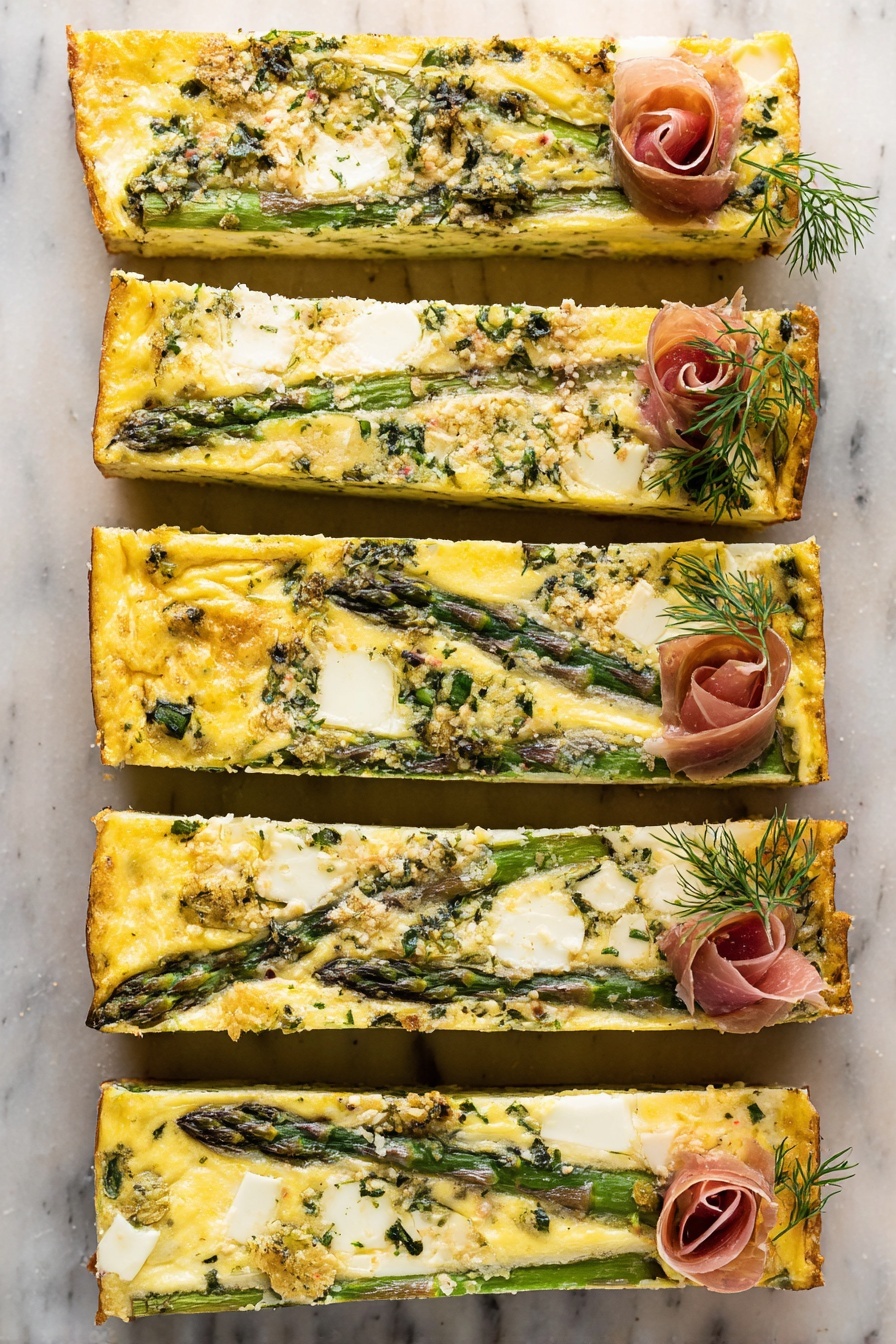
I love topping mine with extra fresh herbs like chives and dill to echo the flavors inside. A sprinkle of Parmesan adds a lovely salty crunch. Sometimes, I’ll throw on prosciutto or smoked salmon for a little luxe touch—the salty fattiness pairs so nicely with asparagus and ricotta.
Side Dishes
This frittata is versatile enough to stand alone, but I often serve it with a simple arugula salad dressed lightly with lemon and olive oil for peppery freshness. Roasted cherry tomatoes on the side add a sweet burst that complements the creamy eggs perfectly.
Creative Ways to Present
For gatherings, I slice the frittata into neat strips between the asparagus spears, creating an elegant presentation that feels special but takes minimal effort. You could also bake individual portions in muffin tins for cute, portable servings at brunch parties.
Make Ahead and Storage
Storing Leftovers
I store any leftover frittata in an airtight container in the refrigerator for up to 3 days. Make sure to cool it completely before refrigerating to keep the texture nice. Leftovers are perfect for breakfast on the go or a quick lunch.
Freezing
Freezing works well if you portion the frittata first. Wrap individual slices tightly in plastic wrap and place them in a freezer bag. I’ve frozen and thawed leftovers with good results, though the texture softens a bit after freezing.
Reheating
I reheat leftovers gently in a low oven or a toaster oven to keep edges crisp rather than microwaving, which can make the eggs rubbery. If you’re in a rush, a quick zap in the microwave for 30-45 seconds works too—just don’t overdo it!
FAQs
-
Can I use frozen asparagus for this frittata?
While fresh asparagus is definitely best for texture and flavor, you can use frozen if it’s thawed and patted dry first. I recommend blanching it as usual, but be mindful it might release more water, so drain well to avoid a soggy frittata.
-
What if I don’t have ricotta—can I substitute it?
If you don’t have ricotta, cottage cheese (blended smooth) or cream cheese can be used as alternatives, but keep in mind the texture and flavor will change slightly. Ricotta’s mild, slightly sweet creaminess is unique and ideal for this recipe.
-
How do I know when the frittata is done baking?
The frittata is done when it’s puffed up, set around the edges, and the center is firm without any jiggle. Overcooking can make it dry, so start checking around 28 minutes and adjust time as needed based on your oven.
-
Can I make this recipe gluten-free?
Absolutely! Since this Asparagus Frittata with Ricotta Recipe uses no flour or breadcrumbs, it’s naturally gluten-free—as long as your mustard and other ingredients are gluten-free, you’re good to go.
Final Thoughts
This Asparagus Frittata with Ricotta Recipe has become one of my go-to dishes for its perfect blend of flavors and ease. Whether you’re serving it for a lazy weekend brunch or a light dinner, it’s always met with smiles and requests for seconds. Give it a try—you’ll find it’s one of those recipes that feels like a special treat but requires surprisingly little fuss. Happy cooking!
Print
Asparagus Frittata with Ricotta Recipe
- Prep Time: 15 minutes
- Cook Time: 30 minutes
- Total Time: 45 minutes
- Yield: 6 servings
- Category: Breakfast
- Method: Baking
- Cuisine: American
- Diet: Vegetarian
Description
This Asparagus Frittata is a light and creamy baked egg dish perfect for brunch or a light dinner. Featuring tender blanched asparagus spears baked in a rich custard of eggs, ricotta, and parmesan cheese, flavored with fresh herbs like dill and chives, this frittata delivers a perfect balance of fresh spring flavors and creamy texture. It’s easy to make, requiring only simple preparation and baking, and is great served warm or at room temperature with optional garnishes such as prosciutto or smoked salmon.
Ingredients
Main Ingredients
- 1 pound Baby Asparagus – or thin asparagus; trimmed
- 8 large Eggs
- ¾ Cup Whole Milk Ricotta – DIVIDED (6 ounces total)
- 1/3 Cup Whole Milk
- ¼ Cup Parmesan – finely grated, plus more for garnish
- 2 TBS Chives – thinly sliced, plus more for garnish
- 1 TBS Fresh Dill – chopped, plus more for garnish
- 1 tsp Dijon Mustard
- Kosher Salt & Pepper as needed
Optional Garnishes
- Prosciutto
- Smoked Salmon
- Arugula
- Roasted Cherry Tomatoes
- Fresh Herbs
Instructions
- Preheat the Oven and Prepare Pan: Arrange the oven rack to the center position and preheat the oven to 375°F. Grease a 9-inch or 8×10-inch baking pan thoroughly with non-stick cooking spray. Then, line the pan with a sheet of parchment paper, ensuring the edges hang slightly over the sides for easy removal.
- Blanch and Shock Asparagus: Bring a saucepan of water to a rolling boil and season generously with salt. Add the trimmed asparagus and cook for 1-2 minutes until bright green and just tender crisp. Immediately transfer the asparagus to an ice water bath to stop the cooking process. Drain and pat dry, then set aside.
- Prepare Egg Custard: In a large bowl, whisk together the eggs, 2 tablespoons of ricotta, whole milk, parmesan, chopped chives, dill, and dijon mustard. Season with ½ teaspoon kosher salt and ¼ teaspoon ground black pepper. Whisk vigorously until combined to create a smooth custard mixture.
- Assemble the Frittata: Arrange half of the blanched asparagus in a single row inside the prepared baking pan. Pour in the egg custard mixture evenly over the asparagus. Lay the remaining asparagus spears on top in a row. Dollop the surface with the remaining ricotta and lightly season with additional salt and pepper.
- Bake Asparagus Frittata: Place the pan in the preheated oven and bake for 28-38 minutes, watching carefully for the frittata to puff, rise, and become just set without any jiggle in the center. Remove from oven and transfer to a wire rack to cool in the pan for 5 minutes.
- Remove and Serve: Using the parchment paper edges, carefully lift the frittata out of the pan. If it sticks, gently run a butter knife around the edges first. Transfer to a serving platter and slice between asparagus rows. Garnish with more fresh herbs, parmesan, and optional prosciutto or other garnishes. Enjoy warm or at room temperature.
Notes
- You can use a round 9-inch deep pie plate instead of the rectangular pan. Be sure to grease it well and watch baking time closely.
- Lining the pan with parchment is optional if serving from the casserole dish directly, but always grease the pan generously to prevent sticking.
- Pre-cooking the asparagus by blanching ensures it will be tender inside the frittata.
- Use full-fat dairy like whole milk or heavy cream for the custard to ensure a creamy texture. Avoid low-fat or skim milk as it can make the frittata watery.
- Do not overbake the frittata; it should be set and puffed but not dry or rubbery. Residual heat will continue cooking it after removal.
- To scale the recipe, hover over the servings in the recipe card and use the sliding scale.
Nutrition
- Serving Size: 1 slice (1/6 of recipe)
- Calories: 210
- Sugar: 2 g
- Sodium: 220 mg
- Fat: 15 g
- Saturated Fat: 7 g
- Unsaturated Fat: 6 g
- Trans Fat: 0 g
- Carbohydrates: 5 g
- Fiber: 1.5 g
- Protein: 12 g
- Cholesterol: 210 mg